Buy حم.com ?
We are moving the project
حم.com .
Are you interested in purchasing the domain
حم.com ?
domain@kv-gmbh.de · 0541-91531010
Buy حم.com ?
Which sauce goes well with Nepalese momos?
Nepalese momos are traditionally served with a spicy tomato-based sauce called achar. This tangy and flavorful sauce complements the savory flavors of the momos perfectly. Additionally, a side of fresh mint-cilantro chutney or a simple soy-vinegar dipping sauce can also be great accompaniments to enhance the overall taste of the momos. Ultimately, the choice of sauce depends on personal preference and can vary based on regional variations in Nepal. **
What is there to know about Nepalese carpets?
Nepalese carpets are known for their high quality and intricate designs, often featuring traditional motifs and patterns. They are hand-woven by skilled artisans using techniques that have been passed down through generations. These carpets are made from natural materials such as wool and silk, and are known for their durability and longevity. Nepalese carpets are also prized for their softness and luxurious feel, making them a popular choice for both traditional and modern home decor. **


Similar search terms for Nepalese
Top-Angebote
Products related to Nepalese:

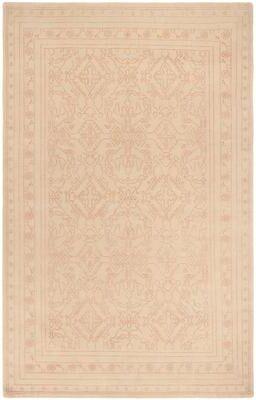


-
Do Indians, Indonesians, Malaysians, Pakistanis, Bengalis, Nepalese, etc. actually also considered as black people?
No, Indians, Indonesians, Malaysians, Pakistanis, Bengalis, Nepalese, etc. are not considered as black people. These groups are generally considered as part of the Asian race, which is distinct from the black race. While there is diversity within these groups in terms of skin tone, they are not classified as black in the same way as people of African descent. It's important to recognize and respect the unique racial and cultural identities of different groups. **
-
How can one forget culture and heritage?
One can forget culture and heritage by not actively engaging with it, by being disconnected from one's roots and community, and by prioritizing other aspects of life over preserving and celebrating one's cultural identity. This can happen through assimilation into a different culture, lack of exposure to one's own cultural traditions and practices, and a lack of interest in learning about one's heritage. Additionally, societal pressures and discrimination can also contribute to the erasure of one's culture and heritage. **
-
What is the difference between culture and tradition?
Culture refers to the beliefs, customs, arts, and social behaviors of a particular group of people, encompassing a broader range of practices and values. On the other hand, tradition specifically refers to the customs and practices that are passed down from generation to generation within a specific community or society. While culture is more dynamic and can evolve over time, traditions tend to be more static and rooted in history and heritage. **
-
What is the meaning of tradition, culture, and identity?
Tradition refers to the customs, beliefs, and practices that are passed down from generation to generation within a community or society. Culture encompasses the shared values, beliefs, and behaviors of a particular group of people, including their language, art, music, and social norms. Identity is the sense of self and belonging that is shaped by one's cultural background, traditions, and experiences. Together, tradition, culture, and identity form the foundation of a person's sense of belonging and connection to their community and heritage. **


What are art and culture events?
Art and culture events are gatherings or activities that showcase various forms of artistic expression, such as visual arts, music, dance, theater, literature, and more. These events provide a platform for artists to share their work with the public and engage in creative dialogue. They also offer opportunities for individuals to immerse themselves in different cultural experiences, broaden their perspectives, and appreciate the diversity of human expression. Overall, art and culture events play a vital role in enriching communities, fostering creativity, and promoting understanding and connection among people. **
Is the Ottoman language Arabic?
No, the Ottoman language is not Arabic. The Ottoman language, also known as Ottoman Turkish, was a Turkic language that was heavily influenced by Arabic and Persian due to the cultural and historical connections between the Ottoman Empire and the Arab and Persian worlds. However, it was a distinct language with its own grammar, vocabulary, and script. Arabic, on the other hand, is a Semitic language and is not the same as Ottoman Turkish. **
Top-Angebote
Products related to Nepalese:
-
Which sauce goes well with Nepalese momos?
Nepalese momos are traditionally served with a spicy tomato-based sauce called achar. This tangy and flavorful sauce complements the savory flavors of the momos perfectly. Additionally, a side of fresh mint-cilantro chutney or a simple soy-vinegar dipping sauce can also be great accompaniments to enhance the overall taste of the momos. Ultimately, the choice of sauce depends on personal preference and can vary based on regional variations in Nepal. **
-
What is there to know about Nepalese carpets?
Nepalese carpets are known for their high quality and intricate designs, often featuring traditional motifs and patterns. They are hand-woven by skilled artisans using techniques that have been passed down through generations. These carpets are made from natural materials such as wool and silk, and are known for their durability and longevity. Nepalese carpets are also prized for their softness and luxurious feel, making them a popular choice for both traditional and modern home decor. **
-
Do Indians, Indonesians, Malaysians, Pakistanis, Bengalis, Nepalese, etc. actually also considered as black people?
No, Indians, Indonesians, Malaysians, Pakistanis, Bengalis, Nepalese, etc. are not considered as black people. These groups are generally considered as part of the Asian race, which is distinct from the black race. While there is diversity within these groups in terms of skin tone, they are not classified as black in the same way as people of African descent. It's important to recognize and respect the unique racial and cultural identities of different groups. **
-
How can one forget culture and heritage?
One can forget culture and heritage by not actively engaging with it, by being disconnected from one's roots and community, and by prioritizing other aspects of life over preserving and celebrating one's cultural identity. This can happen through assimilation into a different culture, lack of exposure to one's own cultural traditions and practices, and a lack of interest in learning about one's heritage. Additionally, societal pressures and discrimination can also contribute to the erasure of one's culture and heritage. **
Similar search terms for Nepalese
-
What is the difference between culture and tradition?
Culture refers to the beliefs, customs, arts, and social behaviors of a particular group of people, encompassing a broader range of practices and values. On the other hand, tradition specifically refers to the customs and practices that are passed down from generation to generation within a specific community or society. While culture is more dynamic and can evolve over time, traditions tend to be more static and rooted in history and heritage. **
-
What is the meaning of tradition, culture, and identity?
Tradition refers to the customs, beliefs, and practices that are passed down from generation to generation within a community or society. Culture encompasses the shared values, beliefs, and behaviors of a particular group of people, including their language, art, music, and social norms. Identity is the sense of self and belonging that is shaped by one's cultural background, traditions, and experiences. Together, tradition, culture, and identity form the foundation of a person's sense of belonging and connection to their community and heritage. **
-
What are art and culture events?
Art and culture events are gatherings or activities that showcase various forms of artistic expression, such as visual arts, music, dance, theater, literature, and more. These events provide a platform for artists to share their work with the public and engage in creative dialogue. They also offer opportunities for individuals to immerse themselves in different cultural experiences, broaden their perspectives, and appreciate the diversity of human expression. Overall, art and culture events play a vital role in enriching communities, fostering creativity, and promoting understanding and connection among people. **
-
Is the Ottoman language Arabic?
No, the Ottoman language is not Arabic. The Ottoman language, also known as Ottoman Turkish, was a Turkic language that was heavily influenced by Arabic and Persian due to the cultural and historical connections between the Ottoman Empire and the Arab and Persian worlds. However, it was a distinct language with its own grammar, vocabulary, and script. Arabic, on the other hand, is a Semitic language and is not the same as Ottoman Turkish. **
* All prices are inclusive of VAT and, if applicable, plus shipping costs. The offer information is based on the details provided by the respective shop and is updated through automated processes. Real-time updates do not occur, so deviations can occur in individual cases. ** Note: Parts of this content were created by AI.