Buy حم.com ?
We are moving the project
حم.com .
Are you interested in purchasing the domain
حم.com ?
domain@kv-gmbh.de · 0541-91531010
Buy حم.com ?
What happens after mycelium has formed?
After mycelium has formed, it continues to grow and spread through its environment in search of nutrients. As it grows, it may come into contact with other mycelium networks and form connections, creating a larger fungal network. Eventually, the mycelium may produce fruiting bodies such as mushrooms, which are the reproductive structures of the fungus. These mushrooms release spores, allowing the fungus to reproduce and continue its life cycle. **
What is a fungal mycelium made of?
A fungal mycelium is made of a network of thread-like structures called hyphae. These hyphae are composed of long, branching chains of cells that make up the body of the fungus. The mycelium acts as the main vegetative part of the fungus, responsible for absorbing nutrients from its environment and supporting the growth and reproduction of the organism. The interconnected network of hyphae allows the mycelium to spread and colonize its substrate, whether it be soil, wood, or another organic material. **


Similar search terms for Mycelium
Top-Angebote
Products related to Mycelium:
-
Les Jardins LED path light Tradition Sensor Corten 90cm Tradition, dimmable, Brown / rust, Aluminium, Modern, outdoor solar lightsThe LED path light Tradition made of aluminum shows a modern cuboid shape and rust-brown corten steel finish. It can be operated autonomously thanks to equipment with solar module, rechargeable battery and motion sensor.- equipped with dimming function- operating time when fully charged: 5 h to 200 h (depending on light output)- protection class: IP66- alternatively rechargeable via USB connection- via ground spike (included) or permanently installable398,43 £*Shipping: 4,99 £Secure redirect to the provider
-
Novica Handmade Tradition Of The Heart Basalt BowlPrepare herbs, spices and sauces the way our ancestors did--with handmade stone tools. The Comonfort Group presents this heart-shaped basalt bowl, crafted by hand in a labor-intensive process.132,98 $*Shipping: 0,00 $Secure redirect to the provider
-
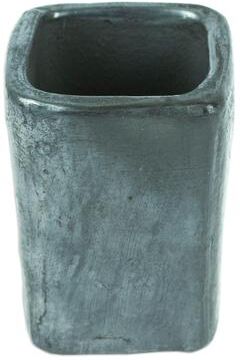
Novida Novica Handmade Festive Tradition Barro Negro Shot GlassMexico's Fernando and Magali Pedro craft a unique creation from traditional barro negro ceramic. After a long and detailed process, this high-quality shot glass is ready to be that elegant item you need for your parties.28,48 $*Shipping: 0,00 $Secure redirect to the provider



-
Do mushroom mycelium die at sub-zero temperatures?
Mushroom mycelium can survive at sub-zero temperatures, but they may become dormant or slow down their growth. Some species of mushroom mycelium are adapted to cold temperatures and can even thrive in sub-zero conditions. However, extreme cold can still damage or kill the mycelium, especially if it is not acclimated to such conditions. Overall, while some mushroom mycelium can survive sub-zero temperatures, it depends on the specific species and their ability to adapt to cold environments. **
-
How can one distinguish the mycelium of a mushroom from mold?
One way to distinguish the mycelium of a mushroom from mold is by looking at the color and texture. Mycelium of a mushroom is typically white or light-colored and has a fluffy or cotton-like appearance. Mold, on the other hand, can be various colors such as green, black, or gray, and may appear fuzzy or slimy. Additionally, mycelium of a mushroom is usually found growing in a specific pattern around the base of the mushroom, while mold can spread rapidly and cover a larger area. **
-
How can one distinguish the mushroom mycelium from mold on a mushroom?
Mycelium is the vegetative part of a fungus and is typically found growing within the substrate of the mushroom. It appears as a network of white, thread-like strands. Mold, on the other hand, is a type of fungus that can grow on the surface of the mushroom and appears as fuzzy, discolored patches. Additionally, mycelium is essential for the growth and development of the mushroom, while mold can be harmful and lead to spoilage. Therefore, by observing the location and appearance of the growth, one can distinguish between mycelium and mold on a mushroom. **
-
How can one forget culture and heritage?
One can forget culture and heritage by not actively engaging with it, by being disconnected from one's roots and community, and by prioritizing other aspects of life over preserving and celebrating one's cultural identity. This can happen through assimilation into a different culture, lack of exposure to one's own cultural traditions and practices, and a lack of interest in learning about one's heritage. Additionally, societal pressures and discrimination can also contribute to the erasure of one's culture and heritage. **


Why can cultivated mushrooms only be harvested 3 times? Do the mycelium die? What about wild mushrooms?
Cultivated mushrooms can only be harvested 3 times because after that, the mycelium, which is the vegetative part of the fungus, becomes depleted of nutrients and loses its ability to produce mushrooms. The mycelium itself does not die, but it becomes less productive. In the case of wild mushrooms, they can continue to produce mushrooms for many years because they are able to access a wider range of nutrients and resources in their natural environment. Additionally, wild mushrooms have evolved to thrive in their specific ecological niche, allowing them to continue producing mushrooms over a longer period of time. **
What is the difference between culture and tradition?
Culture refers to the beliefs, customs, arts, and social behaviors of a particular group of people, encompassing a broader range of practices and values. On the other hand, tradition specifically refers to the customs and practices that are passed down from generation to generation within a specific community or society. While culture is more dynamic and can evolve over time, traditions tend to be more static and rooted in history and heritage. **
Top-Angebote
Products related to Mycelium:
-
RLF Home Tradition Provance Valance"Fits Windows up to 50""W. Use multiples for Wider Windows. Decorator's quality fabrics. Fully lined with Poly/Cotton Ivory lining. Use a 2-1/2"" Continental Rod, a regular 3/4"" Curtain rod, Tension rod or Decorative pole no more than 1-3/8"" Diameter."64,49 $*Shipping: 0,00 $Secure redirect to the provider
-
Les Jardins LED path light Tradition Sensor Corten 90cm Tradition, dimmable, Brown / rust, Aluminium, Modern, outdoor solar lightsThe LED path light Tradition made of aluminum shows a modern cuboid shape and rust-brown corten steel finish. It can be operated autonomously thanks to equipment with solar module, rechargeable battery and motion sensor.- equipped with dimming function- operating time when fully charged: 5 h to 200 h (depending on light output)- protection class: IP66- alternatively rechargeable via USB connection- via ground spike (included) or permanently installable398,43 £*Shipping: 4,99 £Secure redirect to the provider
-
Novica Handmade Tradition Of The Heart Basalt BowlPrepare herbs, spices and sauces the way our ancestors did--with handmade stone tools. The Comonfort Group presents this heart-shaped basalt bowl, crafted by hand in a labor-intensive process.132,98 $*Shipping: 0,00 $Secure redirect to the provider
-
What happens after mycelium has formed?
After mycelium has formed, it continues to grow and spread through its environment in search of nutrients. As it grows, it may come into contact with other mycelium networks and form connections, creating a larger fungal network. Eventually, the mycelium may produce fruiting bodies such as mushrooms, which are the reproductive structures of the fungus. These mushrooms release spores, allowing the fungus to reproduce and continue its life cycle. **
-
What is a fungal mycelium made of?
A fungal mycelium is made of a network of thread-like structures called hyphae. These hyphae are composed of long, branching chains of cells that make up the body of the fungus. The mycelium acts as the main vegetative part of the fungus, responsible for absorbing nutrients from its environment and supporting the growth and reproduction of the organism. The interconnected network of hyphae allows the mycelium to spread and colonize its substrate, whether it be soil, wood, or another organic material. **
-
Do mushroom mycelium die at sub-zero temperatures?
Mushroom mycelium can survive at sub-zero temperatures, but they may become dormant or slow down their growth. Some species of mushroom mycelium are adapted to cold temperatures and can even thrive in sub-zero conditions. However, extreme cold can still damage or kill the mycelium, especially if it is not acclimated to such conditions. Overall, while some mushroom mycelium can survive sub-zero temperatures, it depends on the specific species and their ability to adapt to cold environments. **
-
How can one distinguish the mycelium of a mushroom from mold?
One way to distinguish the mycelium of a mushroom from mold is by looking at the color and texture. Mycelium of a mushroom is typically white or light-colored and has a fluffy or cotton-like appearance. Mold, on the other hand, can be various colors such as green, black, or gray, and may appear fuzzy or slimy. Additionally, mycelium of a mushroom is usually found growing in a specific pattern around the base of the mushroom, while mold can spread rapidly and cover a larger area. **
Similar search terms for Mycelium
-
Novida Novica Handmade Festive Tradition Barro Negro Shot GlassMexico's Fernando and Magali Pedro craft a unique creation from traditional barro negro ceramic. After a long and detailed process, this high-quality shot glass is ready to be that elegant item you need for your parties.28,48 $*Shipping: 0,00 $Secure redirect to the provider
-
Everyday Crate Smart Azan Prayer Clock With Hijri Calendar, Temperature Display & Dual Language Alarm Smart Azan Prayer Clock With Hijri Calendar, Temperature Display & Dual Language AlarmFeel confident knowing every prayer time is right at your fingertips. This Azan clock is designed for Muslims who want a simple, reliable way to stay connected to daily prayers while keeping track of time, date, and temperature. Featuring automatic...49,97 $*Shipping: 0,00 $Secure redirect to the provider
-
KC Cubs: Educational Rug: ABC Alphabet ASL Sign Language, 5x7' PlaymatKC CUBS 5X7 ABC ALPHABET ASL SIGN LANGUAGE RUG - Introduce your child to the world of American Sign Language (ASL) in the most colorful and engaging way with the KC Cubs ASL Alphabet Educational Rug.81,99 $*Shipping: 0,00 $Secure redirect to the provider
-
How can one distinguish the mushroom mycelium from mold on a mushroom?
Mycelium is the vegetative part of a fungus and is typically found growing within the substrate of the mushroom. It appears as a network of white, thread-like strands. Mold, on the other hand, is a type of fungus that can grow on the surface of the mushroom and appears as fuzzy, discolored patches. Additionally, mycelium is essential for the growth and development of the mushroom, while mold can be harmful and lead to spoilage. Therefore, by observing the location and appearance of the growth, one can distinguish between mycelium and mold on a mushroom. **
-
How can one forget culture and heritage?
One can forget culture and heritage by not actively engaging with it, by being disconnected from one's roots and community, and by prioritizing other aspects of life over preserving and celebrating one's cultural identity. This can happen through assimilation into a different culture, lack of exposure to one's own cultural traditions and practices, and a lack of interest in learning about one's heritage. Additionally, societal pressures and discrimination can also contribute to the erasure of one's culture and heritage. **
-
Why can cultivated mushrooms only be harvested 3 times? Do the mycelium die? What about wild mushrooms?
Cultivated mushrooms can only be harvested 3 times because after that, the mycelium, which is the vegetative part of the fungus, becomes depleted of nutrients and loses its ability to produce mushrooms. The mycelium itself does not die, but it becomes less productive. In the case of wild mushrooms, they can continue to produce mushrooms for many years because they are able to access a wider range of nutrients and resources in their natural environment. Additionally, wild mushrooms have evolved to thrive in their specific ecological niche, allowing them to continue producing mushrooms over a longer period of time. **
-
What is the difference between culture and tradition?
Culture refers to the beliefs, customs, arts, and social behaviors of a particular group of people, encompassing a broader range of practices and values. On the other hand, tradition specifically refers to the customs and practices that are passed down from generation to generation within a specific community or society. While culture is more dynamic and can evolve over time, traditions tend to be more static and rooted in history and heritage. **
* All prices are inclusive of VAT and, if applicable, plus shipping costs. The offer information is based on the details provided by the respective shop and is updated through automated processes. Real-time updates do not occur, so deviations can occur in individual cases. ** Note: Parts of this content were created by AI.