Buy حم.com ?
We are moving the project
حم.com .
Are you interested in purchasing the domain
حم.com ?
domain@kv-gmbh.de · 0541-91531010
Buy حم.com ?
What are loanwords?
Loanwords are words borrowed from one language and incorporated into another language. These words are often adapted to fit the phonological and grammatical rules of the borrowing language. Loanwords can come from a variety of sources, including trade, cultural exchange, and colonization, and they enrich a language by adding new vocabulary and reflecting the influence of other cultures. Examples of loanwords in English include "sushi" from Japanese, "piano" from Italian, and "ballet" from French. **
What percentage of the German language consists of loanwords?
Approximately 5-6% of the German language consists of loanwords. These loanwords come from various languages, including English, French, Latin, and Greek. The influence of these loanwords reflects the historical and cultural interactions between Germany and other countries. While the majority of the German language is of Germanic origin, the presence of loanwords adds diversity and richness to the language. **

Similar search terms for Loanwords
Top-Angebote
Products related to Loanwords:
-
Les Jardins LED path light Tradition Sensor Corten 90cm Tradition, dimmable, Brown / rust, Aluminium, Modern, outdoor solar lightsThe LED path light Tradition made of aluminum shows a modern cuboid shape and rust-brown corten steel finish. It can be operated autonomously thanks to equipment with solar module, rechargeable battery and motion sensor.- equipped with dimming function- operating time when fully charged: 5 h to 200 h (depending on light output)- protection class: IP66- alternatively rechargeable via USB connection- via ground spike (included) or permanently installable398,43 £*Shipping: 4,99 £Secure redirect to the provider
-
Monika Blunder Beauty Body Language Botanical Oil 100mLA body oil for dull skin. Intense hydration: Almond, Rosehip, and Marula Oils quench dryness. Natural luminosity: Meadowfoam oil gives skin a dewy sheen. Antioxidant protection: Edelweiss Extract defends against free radicals. Soft, supple skin: Arnica maintains skin's softness and suppleness. Transform your skin with Body Language Oil —a luxurious blend of nourishing oils and potent antioxidants.54,73 £*Shipping: 7,11 £Secure redirect to the provider
-
Novica Handmade Tradition Of The Heart Basalt BowlPrepare herbs, spices and sauces the way our ancestors did--with handmade stone tools. The Comonfort Group presents this heart-shaped basalt bowl, crafted by hand in a labor-intensive process.132,98 $*Shipping: 0,00 $Secure redirect to the provider
-
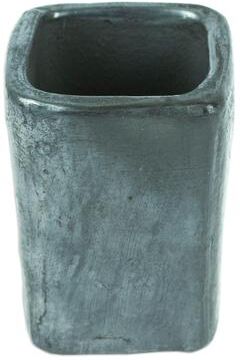
Novida Novica Handmade Festive Tradition Barro Negro Shot GlassMexico's Fernando and Magali Pedro craft a unique creation from traditional barro negro ceramic. After a long and detailed process, this high-quality shot glass is ready to be that elegant item you need for your parties.28,48 $*Shipping: 0,00 $Secure redirect to the provider



-
What are some examples of loanwords in the German language?
Some examples of loanwords in the German language include "Computer," "Internet," and "Handy" (meaning mobile phone), which are borrowed from English. "Café" and "Restaurant" are loanwords from French, while "Schokolade" (chocolate) and "Tomate" (tomato) are borrowed from Spanish. Additionally, "Kindergarten" and "Rucksack" are loanwords from German into English and then back into German. These loanwords reflect the influence of other languages on the German vocabulary. **
-
How can one recognize Latin and French loanwords?
One can recognize Latin loanwords by looking for words that have a Latin origin, such as words related to law, science, and medicine. These words often have prefixes or suffixes that are common in Latin, such as "bi-" or "-ology." French loanwords, on the other hand, can be recognized by their pronunciation and spelling, as they often have silent letters or accents. Additionally, French loanwords are commonly found in the fields of fashion, cuisine, and the arts. **
-
Which German loanwords are used in everyday life?
Some common German loanwords used in everyday life include "kindergarten," "angst," "delicatessen," "zeitgeist," and "wanderlust." These words have been adopted into English due to their specific meanings or lack of direct English equivalents. Additionally, words like "schadenfreude," "blitz," and "gesundheit" are also commonly used in English, reflecting the influence of German language and culture on everyday life. **
-
Which loanwords used in German originate from other languages?
German has borrowed loanwords from various languages, including English, French, and Latin. Some loanwords from English include "Computer," "Handy" (mobile phone), and "Job." From French, German has borrowed words like "Restaurant," "Boulevard," and "Café." Latin loanwords in German include terms like "Universität," "Kultur," and "Information." These loanwords have enriched the German language and reflect its history of cultural exchange with other countries. **


Why are Anglicisms considered a corruption of the language, while Latin loanwords are seen as intelligent?
Anglicisms are often considered a corruption of the language because they are seen as unnecessary borrowings from English that can dilute the purity of the native language. On the other hand, Latin loanwords are viewed as intelligent additions to the language because Latin has historically been associated with academia, science, and literature. Latin loanwords are often used to convey complex or specialized concepts, giving them a sense of sophistication and intellectual depth. **
What are the differences between native words, loanwords, and foreign words?
Native words are words that originate from the language itself, while loanwords are words borrowed from another language and incorporated into the native language. Foreign words are words that come from another language but are not fully integrated into the native language. Native words are usually easier to pronounce and understand for native speakers, while loanwords and foreign words may have different pronunciations and meanings that need to be learned. **
Top-Angebote
Products related to Loanwords:
-
RLF Home Tradition Provance Valance"Fits Windows up to 50""W. Use multiples for Wider Windows. Decorator's quality fabrics. Fully lined with Poly/Cotton Ivory lining. Use a 2-1/2"" Continental Rod, a regular 3/4"" Curtain rod, Tension rod or Decorative pole no more than 1-3/8"" Diameter."64,49 $*Shipping: 0,00 $Secure redirect to the provider
-
Les Jardins LED path light Tradition Sensor Corten 90cm Tradition, dimmable, Brown / rust, Aluminium, Modern, outdoor solar lightsThe LED path light Tradition made of aluminum shows a modern cuboid shape and rust-brown corten steel finish. It can be operated autonomously thanks to equipment with solar module, rechargeable battery and motion sensor.- equipped with dimming function- operating time when fully charged: 5 h to 200 h (depending on light output)- protection class: IP66- alternatively rechargeable via USB connection- via ground spike (included) or permanently installable398,43 £*Shipping: 4,99 £Secure redirect to the provider
-
Monika Blunder Beauty Body Language Botanical Oil 100mLA body oil for dull skin. Intense hydration: Almond, Rosehip, and Marula Oils quench dryness. Natural luminosity: Meadowfoam oil gives skin a dewy sheen. Antioxidant protection: Edelweiss Extract defends against free radicals. Soft, supple skin: Arnica maintains skin's softness and suppleness. Transform your skin with Body Language Oil —a luxurious blend of nourishing oils and potent antioxidants.54,73 £*Shipping: 7,11 £Secure redirect to the provider
-
What are loanwords?
Loanwords are words borrowed from one language and incorporated into another language. These words are often adapted to fit the phonological and grammatical rules of the borrowing language. Loanwords can come from a variety of sources, including trade, cultural exchange, and colonization, and they enrich a language by adding new vocabulary and reflecting the influence of other cultures. Examples of loanwords in English include "sushi" from Japanese, "piano" from Italian, and "ballet" from French. **
-
What percentage of the German language consists of loanwords?
Approximately 5-6% of the German language consists of loanwords. These loanwords come from various languages, including English, French, Latin, and Greek. The influence of these loanwords reflects the historical and cultural interactions between Germany and other countries. While the majority of the German language is of Germanic origin, the presence of loanwords adds diversity and richness to the language. **
-
What are some examples of loanwords in the German language?
Some examples of loanwords in the German language include "Computer," "Internet," and "Handy" (meaning mobile phone), which are borrowed from English. "Café" and "Restaurant" are loanwords from French, while "Schokolade" (chocolate) and "Tomate" (tomato) are borrowed from Spanish. Additionally, "Kindergarten" and "Rucksack" are loanwords from German into English and then back into German. These loanwords reflect the influence of other languages on the German vocabulary. **
-
How can one recognize Latin and French loanwords?
One can recognize Latin loanwords by looking for words that have a Latin origin, such as words related to law, science, and medicine. These words often have prefixes or suffixes that are common in Latin, such as "bi-" or "-ology." French loanwords, on the other hand, can be recognized by their pronunciation and spelling, as they often have silent letters or accents. Additionally, French loanwords are commonly found in the fields of fashion, cuisine, and the arts. **
Similar search terms for Loanwords
-
Novica Handmade Tradition Of The Heart Basalt BowlPrepare herbs, spices and sauces the way our ancestors did--with handmade stone tools. The Comonfort Group presents this heart-shaped basalt bowl, crafted by hand in a labor-intensive process.132,98 $*Shipping: 0,00 $Secure redirect to the provider
-
Novida Novica Handmade Festive Tradition Barro Negro Shot GlassMexico's Fernando and Magali Pedro craft a unique creation from traditional barro negro ceramic. After a long and detailed process, this high-quality shot glass is ready to be that elegant item you need for your parties.28,48 $*Shipping: 0,00 $Secure redirect to the provider
-
KC Cubs: Educational Rug: ABC Alphabet ASL Sign Language, 5x7' PlaymatKC CUBS 5X7 ABC ALPHABET ASL SIGN LANGUAGE RUG - Introduce your child to the world of American Sign Language (ASL) in the most colorful and engaging way with the KC Cubs ASL Alphabet Educational Rug.81,99 $*Shipping: 0,00 $Secure redirect to the provider
-
Which German loanwords are used in everyday life?
Some common German loanwords used in everyday life include "kindergarten," "angst," "delicatessen," "zeitgeist," and "wanderlust." These words have been adopted into English due to their specific meanings or lack of direct English equivalents. Additionally, words like "schadenfreude," "blitz," and "gesundheit" are also commonly used in English, reflecting the influence of German language and culture on everyday life. **
-
Which loanwords used in German originate from other languages?
German has borrowed loanwords from various languages, including English, French, and Latin. Some loanwords from English include "Computer," "Handy" (mobile phone), and "Job." From French, German has borrowed words like "Restaurant," "Boulevard," and "Café." Latin loanwords in German include terms like "Universität," "Kultur," and "Information." These loanwords have enriched the German language and reflect its history of cultural exchange with other countries. **
-
Why are Anglicisms considered a corruption of the language, while Latin loanwords are seen as intelligent?
Anglicisms are often considered a corruption of the language because they are seen as unnecessary borrowings from English that can dilute the purity of the native language. On the other hand, Latin loanwords are viewed as intelligent additions to the language because Latin has historically been associated with academia, science, and literature. Latin loanwords are often used to convey complex or specialized concepts, giving them a sense of sophistication and intellectual depth. **
-
What are the differences between native words, loanwords, and foreign words?
Native words are words that originate from the language itself, while loanwords are words borrowed from another language and incorporated into the native language. Foreign words are words that come from another language but are not fully integrated into the native language. Native words are usually easier to pronounce and understand for native speakers, while loanwords and foreign words may have different pronunciations and meanings that need to be learned. **
* All prices are inclusive of VAT and, if applicable, plus shipping costs. The offer information is based on the details provided by the respective shop and is updated through automated processes. Real-time updates do not occur, so deviations can occur in individual cases. ** Note: Parts of this content were created by AI.