Buy حم.com ?
We are moving the project
حم.com .
Are you interested in purchasing the domain
حم.com ?
domain@kv-gmbh.de · 0541-91531010
Buy حم.com ?
Why is "Kindergarten" called "kindergarten" in English?
The term "kindergarten" comes from the German language, where "kinder" means "children" and "garten" means "garden." The term was coined by Friedrich Fröbel, a German educator, who established the first kindergarten in 1837. Fröbel believed that young children should be nurtured and educated in a way that is similar to tending a garden, hence the name "kindergarten." The concept of kindergarten was later adopted in English-speaking countries, and the name "kindergarten" was retained. **
Does "Kindergarten" also mean "Kindergarten" in English?
Yes, "Kindergarten" is a loanword from German that has been adopted into English and has the same meaning in both languages. It refers to a preschool or educational program for young children, typically between the ages of 3 and 6. The word "Kindergarten" is widely used and understood in English-speaking countries. **

Similar search terms for Kindergarten
Top-Angebote
Products related to Kindergarten:
-
Scholastic Grade Kindergarten Value Pack (Books plus Workbook)Help children retain valuable academic skills over the school break.This set includes:Scholastic Early Learners: Giant Kindergarten WorkbookThe Adventure Friends #2: Lost DogLearn About: Animals: Just Discovered ReptilesPoppleton #7: Poppleton Has...34,99 $*Shipping: 0,00 $Secure redirect to the provider
-
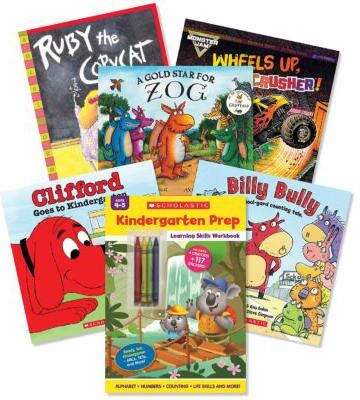
Scholastic Kindergarten Prep Back to School Value PackPrepare for Kindergarten with these cool school tales, along with a fun, skill-building 144-page workbook that covers essential learning skills.This set includes:Billy BullyClifford Goes to KindergartenA Gold Star for ZogKindergarten Prep Learning...36,99 $*Shipping: 0,00 $Secure redirect to the provider
-
Junie B. Jones Complete Kindergarten Collection: Books 1-17Wowie wow wow! For the first time ever, ALL 17 of the Junie B. Jones kindergarten adventures are available in one set! Includes an EXCLUSIVE paper-doll bonus!Meet Junie B. Jones-the world's funniest kindergartner! With over 55 million books sold,...86,95 $*Shipping: 0,00 $Secure redirect to the provider
-
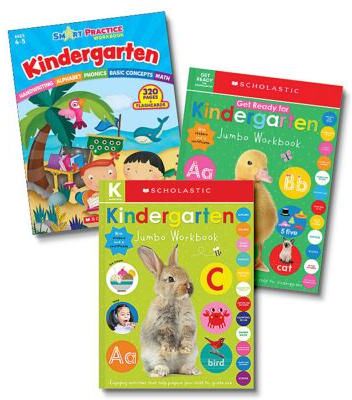
SSO Back to School Back to School: Kindergarten Learning Value PackThis set includes:Scholastic Early Learners: Get Ready for Kindergarten Jumbo WorkbookScholastic Early Learners: Kindergarten Jumbo WorkbookSmart Practice Workbook: Kindergarten Back to School: Kindergarten Learning Value Pack34,82 $*Shipping: 0,00 $Secure redirect to the provider


-
How can one forget culture and heritage?
One can forget culture and heritage by not actively engaging with it, by being disconnected from one's roots and community, and by prioritizing other aspects of life over preserving and celebrating one's cultural identity. This can happen through assimilation into a different culture, lack of exposure to one's own cultural traditions and practices, and a lack of interest in learning about one's heritage. Additionally, societal pressures and discrimination can also contribute to the erasure of one's culture and heritage. **
-
Which artist is suitable for an art project in kindergarten?
An artist like Eric Carle would be suitable for an art project in kindergarten. His colorful and imaginative illustrations in books like "The Very Hungry Caterpillar" are appealing to young children and can inspire their creativity. Carle's use of simple shapes and textures can be easily replicated by kindergarteners, making it a fun and engaging art activity for them. **
-
Why is Kindergarten also called Kindergarten in English?
Kindergarten is called Kindergarten in English because it is a loanword from the German language. The word "Kindergarten" is a combination of two German words: "kind" meaning child and "garten" meaning garden. The term was first used by Friedrich Froebel, a German educator, who established the first kindergarten in the 19th century. The concept of kindergarten as a place for young children to learn and play was then adopted and adapted in English-speaking countries, and the German term was retained. **
-
What is a forest kindergarten and what is the difference between a forest kindergarten, a Waldorf kindergarten, and a traditional kindergarten?
A forest kindergarten is an outdoor-based educational program that takes place in a natural environment, such as a forest or woodland. Children in forest kindergartens spend the majority of their time outdoors, engaging in activities like exploring nature, playing in the mud, and learning about the environment. The main difference between a forest kindergarten and a Waldorf kindergarten is that while both prioritize outdoor play and nature-based learning, Waldorf kindergartens also incorporate a holistic educational approach that focuses on the development of the child's physical, emotional, and intellectual capacities. Traditional kindergartens, on the other hand, are typically indoor-based and follow a more structured curriculum, with less emphasis on outdoor play and nature-based learning. **

Which artist is well-suited for an art project in kindergarten?
An artist well-suited for an art project in kindergarten would be Eric Carle. His colorful and whimsical illustrations in books such as "The Very Hungry Caterpillar" are engaging and appealing to young children. Carle's use of simple shapes and textures can inspire young students to explore their creativity and experiment with different materials. Additionally, his emphasis on nature and animals can tie in well with common themes in kindergarten curriculum. **
Why was the term Kindergarten adopted into the English language?
The term "Kindergarten" was adopted into the English language because of the influence of German educational ideas and practices. Friedrich Fröbel, a German educator, developed the concept of Kindergarten as a place for young children to learn through play and hands-on activities. As Fröbel's ideas gained popularity, the term Kindergarten became widely recognized and adopted into the English language to refer to early childhood education programs that follow similar principles. The term continues to be used today to describe preschool or pre-primary education. **
Top-Angebote
Products related to Kindergarten:
-
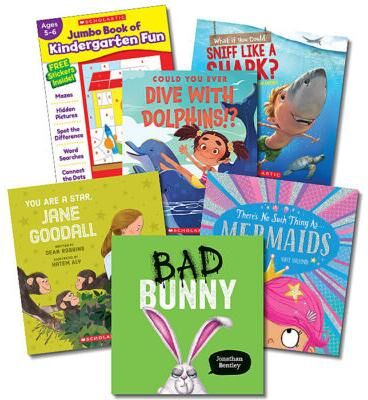
Scholastic Kindergarten Value PackHelp children retain valuable academic skills.Five fun titles paired together with a 320 page workbook that will help children develop hand-eye coordination, visual discrimination, fine-motor skills, and attention to detail.This set includes:Bad...41,59 $*Shipping: 0,00 $Secure redirect to the provider
-
Scholastic Summer Reading Kindergarten Value PackHelp develop young readers vocabulary and grow reading achievement over the summer with this pack.This set includes:The Adventure Friends: Bright StarCould You Ever Smile with Axolotls!?Dragon Hill: Ember the Fire DragonThe Fish Who Cried...29,99 $*Shipping: 0,00 $Secure redirect to the provider
-
Scholastic Grade Kindergarten Value Pack (Books plus Workbook)Help children retain valuable academic skills over the school break.This set includes:Scholastic Early Learners: Giant Kindergarten WorkbookThe Adventure Friends #2: Lost DogLearn About: Animals: Just Discovered ReptilesPoppleton #7: Poppleton Has...34,99 $*Shipping: 0,00 $Secure redirect to the provider
-
Scholastic Kindergarten Prep Back to School Value PackPrepare for Kindergarten with these cool school tales, along with a fun, skill-building 144-page workbook that covers essential learning skills.This set includes:Billy BullyClifford Goes to KindergartenA Gold Star for ZogKindergarten Prep Learning...36,99 $*Shipping: 0,00 $Secure redirect to the provider
-
Why is "Kindergarten" called "kindergarten" in English?
The term "kindergarten" comes from the German language, where "kinder" means "children" and "garten" means "garden." The term was coined by Friedrich Fröbel, a German educator, who established the first kindergarten in 1837. Fröbel believed that young children should be nurtured and educated in a way that is similar to tending a garden, hence the name "kindergarten." The concept of kindergarten was later adopted in English-speaking countries, and the name "kindergarten" was retained. **
-
Does "Kindergarten" also mean "Kindergarten" in English?
Yes, "Kindergarten" is a loanword from German that has been adopted into English and has the same meaning in both languages. It refers to a preschool or educational program for young children, typically between the ages of 3 and 6. The word "Kindergarten" is widely used and understood in English-speaking countries. **
-
How can one forget culture and heritage?
One can forget culture and heritage by not actively engaging with it, by being disconnected from one's roots and community, and by prioritizing other aspects of life over preserving and celebrating one's cultural identity. This can happen through assimilation into a different culture, lack of exposure to one's own cultural traditions and practices, and a lack of interest in learning about one's heritage. Additionally, societal pressures and discrimination can also contribute to the erasure of one's culture and heritage. **
-
Which artist is suitable for an art project in kindergarten?
An artist like Eric Carle would be suitable for an art project in kindergarten. His colorful and imaginative illustrations in books like "The Very Hungry Caterpillar" are appealing to young children and can inspire their creativity. Carle's use of simple shapes and textures can be easily replicated by kindergarteners, making it a fun and engaging art activity for them. **
Similar search terms for Kindergarten
-
Junie B. Jones Complete Kindergarten Collection: Books 1-17Wowie wow wow! For the first time ever, ALL 17 of the Junie B. Jones kindergarten adventures are available in one set! Includes an EXCLUSIVE paper-doll bonus!Meet Junie B. Jones-the world's funniest kindergartner! With over 55 million books sold,...86,95 $*Shipping: 0,00 $Secure redirect to the provider
-
SSO Back to School Back to School: Kindergarten Learning Value PackThis set includes:Scholastic Early Learners: Get Ready for Kindergarten Jumbo WorkbookScholastic Early Learners: Kindergarten Jumbo WorkbookSmart Practice Workbook: Kindergarten Back to School: Kindergarten Learning Value Pack34,82 $*Shipping: 0,00 $Secure redirect to the provider
-
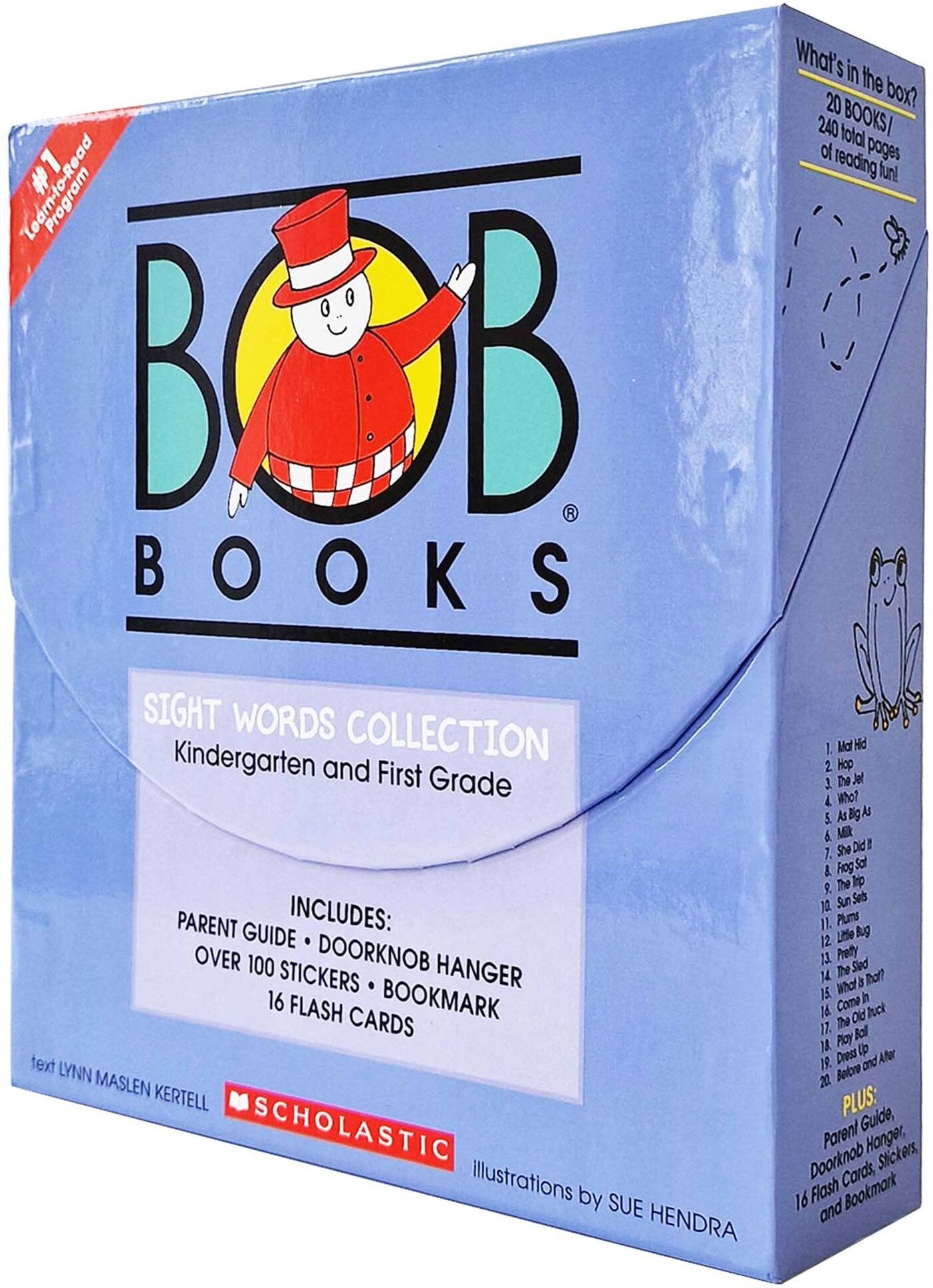
Scholastic Bob Books Sight Words Collection Box Set - Kindergarten and First Grade• Includes all 20 books from Bob Books Sight Words - Kindergarten and Sight Words - First Grade• Consistent short vowels and consonants mean a child can quickly decode the simple stories.• Each humorous book introduces three new sight words.• A gradual pace gently develops reading skills and confidence.• 16 Flash cards add fun to learning sight words.• Parent tips inside each book provide teaching hints.8,49 £*Shipping: 2,99 £Secure redirect to the provider
-
Youfap Market Woven Daisy Flower Decorative Wall Bohemian, Bohemian Daisy Wall Decoration, Kindergarten Decor brownBrighten Your Space with Bohemian Charm Transform any room with 2pcs Bohemian Daisy Flower Wall Decoration. These woven daisy flowers bring a touch of natureinspired elegance to your walls, perfect for living rooms, bedrooms, or nurseries. Their...59,97 $*Shipping: 0,00 $Secure redirect to the provider
-
Why is Kindergarten also called Kindergarten in English?
Kindergarten is called Kindergarten in English because it is a loanword from the German language. The word "Kindergarten" is a combination of two German words: "kind" meaning child and "garten" meaning garden. The term was first used by Friedrich Froebel, a German educator, who established the first kindergarten in the 19th century. The concept of kindergarten as a place for young children to learn and play was then adopted and adapted in English-speaking countries, and the German term was retained. **
-
What is a forest kindergarten and what is the difference between a forest kindergarten, a Waldorf kindergarten, and a traditional kindergarten?
A forest kindergarten is an outdoor-based educational program that takes place in a natural environment, such as a forest or woodland. Children in forest kindergartens spend the majority of their time outdoors, engaging in activities like exploring nature, playing in the mud, and learning about the environment. The main difference between a forest kindergarten and a Waldorf kindergarten is that while both prioritize outdoor play and nature-based learning, Waldorf kindergartens also incorporate a holistic educational approach that focuses on the development of the child's physical, emotional, and intellectual capacities. Traditional kindergartens, on the other hand, are typically indoor-based and follow a more structured curriculum, with less emphasis on outdoor play and nature-based learning. **
-
Which artist is well-suited for an art project in kindergarten?
An artist well-suited for an art project in kindergarten would be Eric Carle. His colorful and whimsical illustrations in books such as "The Very Hungry Caterpillar" are engaging and appealing to young children. Carle's use of simple shapes and textures can inspire young students to explore their creativity and experiment with different materials. Additionally, his emphasis on nature and animals can tie in well with common themes in kindergarten curriculum. **
-
Why was the term Kindergarten adopted into the English language?
The term "Kindergarten" was adopted into the English language because of the influence of German educational ideas and practices. Friedrich Fröbel, a German educator, developed the concept of Kindergarten as a place for young children to learn through play and hands-on activities. As Fröbel's ideas gained popularity, the term Kindergarten became widely recognized and adopted into the English language to refer to early childhood education programs that follow similar principles. The term continues to be used today to describe preschool or pre-primary education. **
* All prices are inclusive of VAT and, if applicable, plus shipping costs. The offer information is based on the details provided by the respective shop and is updated through automated processes. Real-time updates do not occur, so deviations can occur in individual cases. ** Note: Parts of this content were created by AI.