Buy حم.com ?
We are moving the project
حم.com .
Are you interested in purchasing the domain
حم.com ?
domain@kv-gmbh.de · 0541-91531010
Buy حم.com ?
How can one forget culture and heritage?
One can forget culture and heritage by not actively engaging with it, by being disconnected from one's roots and community, and by prioritizing other aspects of life over preserving and celebrating one's cultural identity. This can happen through assimilation into a different culture, lack of exposure to one's own cultural traditions and practices, and a lack of interest in learning about one's heritage. Additionally, societal pressures and discrimination can also contribute to the erasure of one's culture and heritage. **
What is the difference between culture and tradition?
Culture refers to the beliefs, customs, arts, and social behaviors of a particular group of people, encompassing a broader range of practices and values. On the other hand, tradition specifically refers to the customs and practices that are passed down from generation to generation within a specific community or society. While culture is more dynamic and can evolve over time, traditions tend to be more static and rooted in history and heritage. **
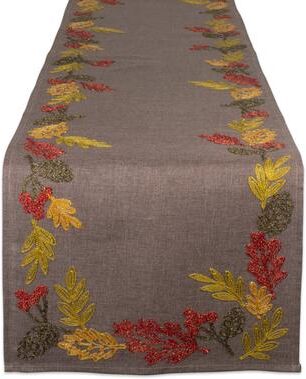

Similar search terms for Fall
Top-Angebote
Products related to Fall:
-
Guardian Fall Protection Ladder AssistThe Guardian Fall Protection Ladder Assist is a simple and effective tool designed to improve ladder safety and provide additional support to assist workers while they transition from a ladder to a raised working surface. The Ladder Assist post...260,87 $*Shipping: 0,00 $Secure redirect to the provider




-
From where does the light fall on the shadows of art?
The light that falls on the shadows of art comes from various sources. It can come from natural light, such as sunlight streaming through a window or the glow of a sunset. It can also come from artificial light, such as the spotlight in a gallery or the illumination of a piece of artwork in a museum. Additionally, the light that falls on the shadows of art can also come from the artist's own imagination and creativity, as they use light and shadow to convey emotion and depth in their work. Ultimately, the light that falls on the shadows of art comes from a combination of external and internal sources, shaping and defining the visual experience of the artwork. **
-
What is the meaning of tradition, culture, and identity?
Tradition refers to the customs, beliefs, and practices that are passed down from generation to generation within a community or society. Culture encompasses the shared values, beliefs, and behaviors of a particular group of people, including their language, art, music, and social norms. Identity is the sense of self and belonging that is shaped by one's cultural background, traditions, and experiences. Together, tradition, culture, and identity form the foundation of a person's sense of belonging and connection to their community and heritage. **
-
What are art and culture events?
Art and culture events are gatherings or activities that showcase various forms of artistic expression, such as visual arts, music, dance, theater, literature, and more. These events provide a platform for artists to share their work with the public and engage in creative dialogue. They also offer opportunities for individuals to immerse themselves in different cultural experiences, broaden their perspectives, and appreciate the diversity of human expression. Overall, art and culture events play a vital role in enriching communities, fostering creativity, and promoting understanding and connection among people. **
-
What are the terms "fall distance" and "fall height"?
"Fall distance" refers to the vertical distance a person falls from their original position before coming to a stop. It is measured from the point of release to the point of landing. "Fall height" is the vertical distance between the point of release and the surface on which the person lands. Both fall distance and fall height are important factors to consider when assessing the risk of injury from a fall. **


Will Ukraine fall?
It is difficult to predict the future with certainty, but Ukraine has shown resilience in the face of challenges. The country has faced significant political, economic, and security issues in recent years, but it has also made progress in its efforts to strengthen its democracy and economy. International support for Ukraine's sovereignty and territorial integrity has also been a key factor in its ability to withstand external pressures. While the situation remains complex and uncertain, there are reasons to believe that Ukraine will continue to navigate its challenges and work towards a more stable and prosperous future. **
Is the Ottoman language Arabic?
No, the Ottoman language is not Arabic. The Ottoman language, also known as Ottoman Turkish, was a Turkic language that was heavily influenced by Arabic and Persian due to the cultural and historical connections between the Ottoman Empire and the Arab and Persian worlds. However, it was a distinct language with its own grammar, vocabulary, and script. Arabic, on the other hand, is a Semitic language and is not the same as Ottoman Turkish. **
Top-Angebote
Products related to Fall:
-
Inspire Essentials Artificial Pumpkins Fall Harvest Decor Set Artificial Pumpkins Fall Harvest Decor SetBring the warm inviting feeling of autumn into your space with these artificial pumpkins. This 7 piece set adds classic seasonal charm without the mess or short lifespan of real pumpkins. Lightweight foam pumpkins are easy to arrange on tables...53,98 $*Shipping: 0,00 $Secure redirect to the provider
-
Guardian Fall Protection Ladder AssistThe Guardian Fall Protection Ladder Assist is a simple and effective tool designed to improve ladder safety and provide additional support to assist workers while they transition from a ladder to a raised working surface. The Ladder Assist post...260,87 $*Shipping: 0,00 $Secure redirect to the provider
-
How can one forget culture and heritage?
One can forget culture and heritage by not actively engaging with it, by being disconnected from one's roots and community, and by prioritizing other aspects of life over preserving and celebrating one's cultural identity. This can happen through assimilation into a different culture, lack of exposure to one's own cultural traditions and practices, and a lack of interest in learning about one's heritage. Additionally, societal pressures and discrimination can also contribute to the erasure of one's culture and heritage. **
-
What is the difference between culture and tradition?
Culture refers to the beliefs, customs, arts, and social behaviors of a particular group of people, encompassing a broader range of practices and values. On the other hand, tradition specifically refers to the customs and practices that are passed down from generation to generation within a specific community or society. While culture is more dynamic and can evolve over time, traditions tend to be more static and rooted in history and heritage. **
-
From where does the light fall on the shadows of art?
The light that falls on the shadows of art comes from various sources. It can come from natural light, such as sunlight streaming through a window or the glow of a sunset. It can also come from artificial light, such as the spotlight in a gallery or the illumination of a piece of artwork in a museum. Additionally, the light that falls on the shadows of art can also come from the artist's own imagination and creativity, as they use light and shadow to convey emotion and depth in their work. Ultimately, the light that falls on the shadows of art comes from a combination of external and internal sources, shaping and defining the visual experience of the artwork. **
-
What is the meaning of tradition, culture, and identity?
Tradition refers to the customs, beliefs, and practices that are passed down from generation to generation within a community or society. Culture encompasses the shared values, beliefs, and behaviors of a particular group of people, including their language, art, music, and social norms. Identity is the sense of self and belonging that is shaped by one's cultural background, traditions, and experiences. Together, tradition, culture, and identity form the foundation of a person's sense of belonging and connection to their community and heritage. **
Similar search terms for Fall
-
What are art and culture events?
Art and culture events are gatherings or activities that showcase various forms of artistic expression, such as visual arts, music, dance, theater, literature, and more. These events provide a platform for artists to share their work with the public and engage in creative dialogue. They also offer opportunities for individuals to immerse themselves in different cultural experiences, broaden their perspectives, and appreciate the diversity of human expression. Overall, art and culture events play a vital role in enriching communities, fostering creativity, and promoting understanding and connection among people. **
-
What are the terms "fall distance" and "fall height"?
"Fall distance" refers to the vertical distance a person falls from their original position before coming to a stop. It is measured from the point of release to the point of landing. "Fall height" is the vertical distance between the point of release and the surface on which the person lands. Both fall distance and fall height are important factors to consider when assessing the risk of injury from a fall. **
-
Will Ukraine fall?
It is difficult to predict the future with certainty, but Ukraine has shown resilience in the face of challenges. The country has faced significant political, economic, and security issues in recent years, but it has also made progress in its efforts to strengthen its democracy and economy. International support for Ukraine's sovereignty and territorial integrity has also been a key factor in its ability to withstand external pressures. While the situation remains complex and uncertain, there are reasons to believe that Ukraine will continue to navigate its challenges and work towards a more stable and prosperous future. **
-
Is the Ottoman language Arabic?
No, the Ottoman language is not Arabic. The Ottoman language, also known as Ottoman Turkish, was a Turkic language that was heavily influenced by Arabic and Persian due to the cultural and historical connections between the Ottoman Empire and the Arab and Persian worlds. However, it was a distinct language with its own grammar, vocabulary, and script. Arabic, on the other hand, is a Semitic language and is not the same as Ottoman Turkish. **
* All prices are inclusive of VAT and, if applicable, plus shipping costs. The offer information is based on the details provided by the respective shop and is updated through automated processes. Real-time updates do not occur, so deviations can occur in individual cases. ** Note: Parts of this content were created by AI.