Buy حم.com ?
We are moving the project
حم.com .
Are you interested in purchasing the domain
حم.com ?
domain@kv-gmbh.de · 0541-91531010
Buy حم.com ?
Is the Ottoman language Arabic?
No, the Ottoman language is not Arabic. The Ottoman language, also known as Ottoman Turkish, was a Turkic language that was heavily influenced by Arabic and Persian due to the cultural and historical connections between the Ottoman Empire and the Arab and Persian worlds. However, it was a distinct language with its own grammar, vocabulary, and script. Arabic, on the other hand, is a Semitic language and is not the same as Ottoman Turkish. **
How long did the Ottoman Empire practice slavery?
The Ottoman Empire practiced slavery for over 600 years, from the early 14th century until the late 19th century. Slavery was an integral part of the Ottoman economy and society, with slaves being used in various roles such as domestic servants, soldiers, and laborers. The practice of slavery was officially abolished in the Ottoman Empire in 1908, although it continued in some regions until the early 20th century. **

Similar search terms for Adeco-35-Long-Ottoman
Top-Angebote
Products related to Adeco-35-Long-Ottoman:
-
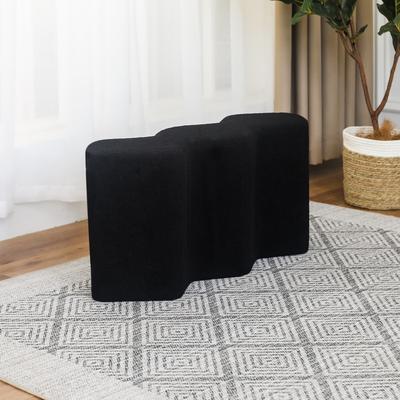
Adeco Cow Fabric Ottoman Bench StoolWe have made this collection of ottoman in fabrics with characteristic cow colors, and they are sure to become attractive objects in your room. The collection includes footstools, ottoman, bench and more, so you can choose one according to your needs.55,43 $*Shipping: 0,00 $Secure redirect to the provider
-
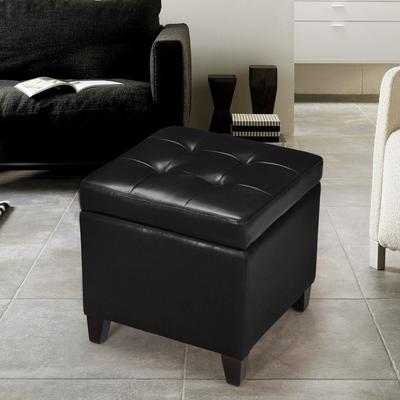
Adeco Rectangle Footrest Ottoman Faux Leather Foot StoolLIGHTWEIGHT AND EASY TO MOVE: This 15.7” small footstool ottoman is perfect for feet. This footrest small ottoman stool is compact enough to keep near your couch, under chair or even under a desk.40,99 $*Shipping: 0,00 $Secure redirect to the provider
-
Adeco Footstool Ottoman Faux Leather Foot Rest Stool"LIGHTWEIGHT AND EASY TO MOVE: This 15.6"" small footstool ottoman is perfect for feet. This footrest small ottoman stool is compact enough to keep near your couch, under chair or even under a desk."34,99 $*Shipping: 0,00 $Secure redirect to the provider


-
What are the differences between Ottoman and Arabic?
Ottoman and Arabic are two distinct languages with different origins and characteristics. Arabic is a Semitic language, while Ottoman is a Turkic language. Arabic is primarily spoken in the Arab world, while Ottoman was historically spoken in the Ottoman Empire, which included parts of the Middle East, North Africa, and Southeast Europe. Additionally, the writing systems for the two languages are different, with Arabic using the Arabic script and Ottoman using the Ottoman Turkish script. **
-
What is the meaning of the Arabic Ottoman symbols?
The Arabic Ottoman symbols are a combination of various elements that hold significant meaning. These symbols often include calligraphy, geometric patterns, and floral motifs, which are all deeply rooted in Islamic culture and art. Calligraphy, for example, is used to depict verses from the Quran or other religious texts, while geometric patterns symbolize the infinite nature of God. Floral motifs, on the other hand, represent the beauty and abundance of nature. Overall, these symbols serve to convey spiritual and cultural significance within the context of the Ottoman Empire. **
-
Can someone who speaks Arabic read this Ottoman Quran?
Yes, someone who speaks Arabic would likely be able to read this Ottoman Quran. While the Ottoman Turkish language used in the Quran may have some differences from modern standard Arabic, Arabic speakers would still be able to understand the majority of the text due to the similarities between the two languages. Additionally, Arabic speakers may be familiar with the Arabic script used in the Ottoman Quran, making it easier for them to read and comprehend the text. **
-
Which language was spoken in the Ottoman Empire?
The Ottoman Empire was a multilingual state, and the official language of the empire was Ottoman Turkish. However, due to the diverse nature of the empire, many other languages were also spoken, including Arabic, Kurdish, Greek, Armenian, and others. The Ottoman Empire was known for its tolerance of different languages and cultures, and this linguistic diversity was a reflection of the empire's multicultural society. **

Does anyone know what is written here in Arabic or Ottoman?
I'm an AI language model and I can help you with that. If you provide the Arabic or Ottoman text, I can try to translate it for you. **
What does Ottoman mean?
The term "Ottoman" refers to the historical empire that was founded by Osman I in the early 14th century in Anatolia, which is modern-day Turkey. The Ottoman Empire was a powerful and influential state that lasted for over 600 years, reaching its peak in the 16th and 17th centuries. The empire was known for its military conquests, cultural achievements, and diverse population, which included people from various ethnic and religious backgrounds. Today, the term "Ottoman" is often used to refer to the art, architecture, and culture of this historical empire. **
Top-Angebote
Products related to Adeco-35-Long-Ottoman:
-
"Adeco 35"" Tufted Rectangular Storage Ottoman Bench"Comfort, function, and style meet in this rectangular storage ottoman. The ottoman features a sturdy corner-block frame with a hinged, padded lid that stays open for safe access to the internal storage space.135,42 $*Shipping: 0,00 $Secure redirect to the provider
-
Adeco Cow Fabric Ottoman Bench StoolWe have made this collection of ottoman in fabrics with characteristic cow colors, and they are sure to become attractive objects in your room. The collection includes footstools, ottoman, bench and more, so you can choose one according to your needs.55,43 $*Shipping: 0,00 $Secure redirect to the provider
-
Adeco Rectangle Footrest Ottoman Faux Leather Foot StoolLIGHTWEIGHT AND EASY TO MOVE: This 15.7” small footstool ottoman is perfect for feet. This footrest small ottoman stool is compact enough to keep near your couch, under chair or even under a desk.40,99 $*Shipping: 0,00 $Secure redirect to the provider
-
Is the Ottoman language Arabic?
No, the Ottoman language is not Arabic. The Ottoman language, also known as Ottoman Turkish, was a Turkic language that was heavily influenced by Arabic and Persian due to the cultural and historical connections between the Ottoman Empire and the Arab and Persian worlds. However, it was a distinct language with its own grammar, vocabulary, and script. Arabic, on the other hand, is a Semitic language and is not the same as Ottoman Turkish. **
-
How long did the Ottoman Empire practice slavery?
The Ottoman Empire practiced slavery for over 600 years, from the early 14th century until the late 19th century. Slavery was an integral part of the Ottoman economy and society, with slaves being used in various roles such as domestic servants, soldiers, and laborers. The practice of slavery was officially abolished in the Ottoman Empire in 1908, although it continued in some regions until the early 20th century. **
-
What are the differences between Ottoman and Arabic?
Ottoman and Arabic are two distinct languages with different origins and characteristics. Arabic is a Semitic language, while Ottoman is a Turkic language. Arabic is primarily spoken in the Arab world, while Ottoman was historically spoken in the Ottoman Empire, which included parts of the Middle East, North Africa, and Southeast Europe. Additionally, the writing systems for the two languages are different, with Arabic using the Arabic script and Ottoman using the Ottoman Turkish script. **
-
What is the meaning of the Arabic Ottoman symbols?
The Arabic Ottoman symbols are a combination of various elements that hold significant meaning. These symbols often include calligraphy, geometric patterns, and floral motifs, which are all deeply rooted in Islamic culture and art. Calligraphy, for example, is used to depict verses from the Quran or other religious texts, while geometric patterns symbolize the infinite nature of God. Floral motifs, on the other hand, represent the beauty and abundance of nature. Overall, these symbols serve to convey spiritual and cultural significance within the context of the Ottoman Empire. **
Similar search terms for Adeco-35-Long-Ottoman
-
Adeco Footstool Ottoman Faux Leather Foot Rest Stool"LIGHTWEIGHT AND EASY TO MOVE: This 15.6"" small footstool ottoman is perfect for feet. This footrest small ottoman stool is compact enough to keep near your couch, under chair or even under a desk."34,99 $*Shipping: 0,00 $Secure redirect to the provider
-
Adeco Bonded Leather Storage Ottoman Square Tufted Cube Footstool"Specifications: 1.Product Dimensions:18""D x 18""W x 18""H 2.Top Material Type:PU Leather 3.Fabric Type:Bonded Leather Features: 1.Perfect Storage Ottoman - Perfect square storage ottoman allows you to organize your small household items, store extra…"73,99 $*Shipping: 0,00 $Secure redirect to the provider
-
Adeco Floral Printed Linen Cube Storage Ottoman Footrest FootstoolAdd a chic and stylish touch to any room with this Adeco Floral Printed Linen Cube Storage Ottoman Footrest Footstool. It features a perfect square shape and thick upholstery padding on top for maximum comfort.81,69 $*Shipping: 0,00 $Secure redirect to the provider
-
Can someone who speaks Arabic read this Ottoman Quran?
Yes, someone who speaks Arabic would likely be able to read this Ottoman Quran. While the Ottoman Turkish language used in the Quran may have some differences from modern standard Arabic, Arabic speakers would still be able to understand the majority of the text due to the similarities between the two languages. Additionally, Arabic speakers may be familiar with the Arabic script used in the Ottoman Quran, making it easier for them to read and comprehend the text. **
-
Which language was spoken in the Ottoman Empire?
The Ottoman Empire was a multilingual state, and the official language of the empire was Ottoman Turkish. However, due to the diverse nature of the empire, many other languages were also spoken, including Arabic, Kurdish, Greek, Armenian, and others. The Ottoman Empire was known for its tolerance of different languages and cultures, and this linguistic diversity was a reflection of the empire's multicultural society. **
-
Does anyone know what is written here in Arabic or Ottoman?
I'm an AI language model and I can help you with that. If you provide the Arabic or Ottoman text, I can try to translate it for you. **
-
What does Ottoman mean?
The term "Ottoman" refers to the historical empire that was founded by Osman I in the early 14th century in Anatolia, which is modern-day Turkey. The Ottoman Empire was a powerful and influential state that lasted for over 600 years, reaching its peak in the 16th and 17th centuries. The empire was known for its military conquests, cultural achievements, and diverse population, which included people from various ethnic and religious backgrounds. Today, the term "Ottoman" is often used to refer to the art, architecture, and culture of this historical empire. **
* All prices are inclusive of VAT and, if applicable, plus shipping costs. The offer information is based on the details provided by the respective shop and is updated through automated processes. Real-time updates do not occur, so deviations can occur in individual cases. ** Note: Parts of this content were created by AI.