Buy حم.com ?
We are moving the project
حم.com .
Are you interested in purchasing the domain
حم.com ?
domain@kv-gmbh.de · 0541-91531010
Buy حم.com ?
How can one forget culture and heritage?
One can forget culture and heritage by not actively engaging with it, by being disconnected from one's roots and community, and by prioritizing other aspects of life over preserving and celebrating one's cultural identity. This can happen through assimilation into a different culture, lack of exposure to one's own cultural traditions and practices, and a lack of interest in learning about one's heritage. Additionally, societal pressures and discrimination can also contribute to the erasure of one's culture and heritage. **
What is the difference between culture and tradition?
Culture refers to the beliefs, customs, arts, and social behaviors of a particular group of people, encompassing a broader range of practices and values. On the other hand, tradition specifically refers to the customs and practices that are passed down from generation to generation within a specific community or society. While culture is more dynamic and can evolve over time, traditions tend to be more static and rooted in history and heritage. **

Similar search terms for Whimsical
Top-Angebote
Products related to Whimsical:
-
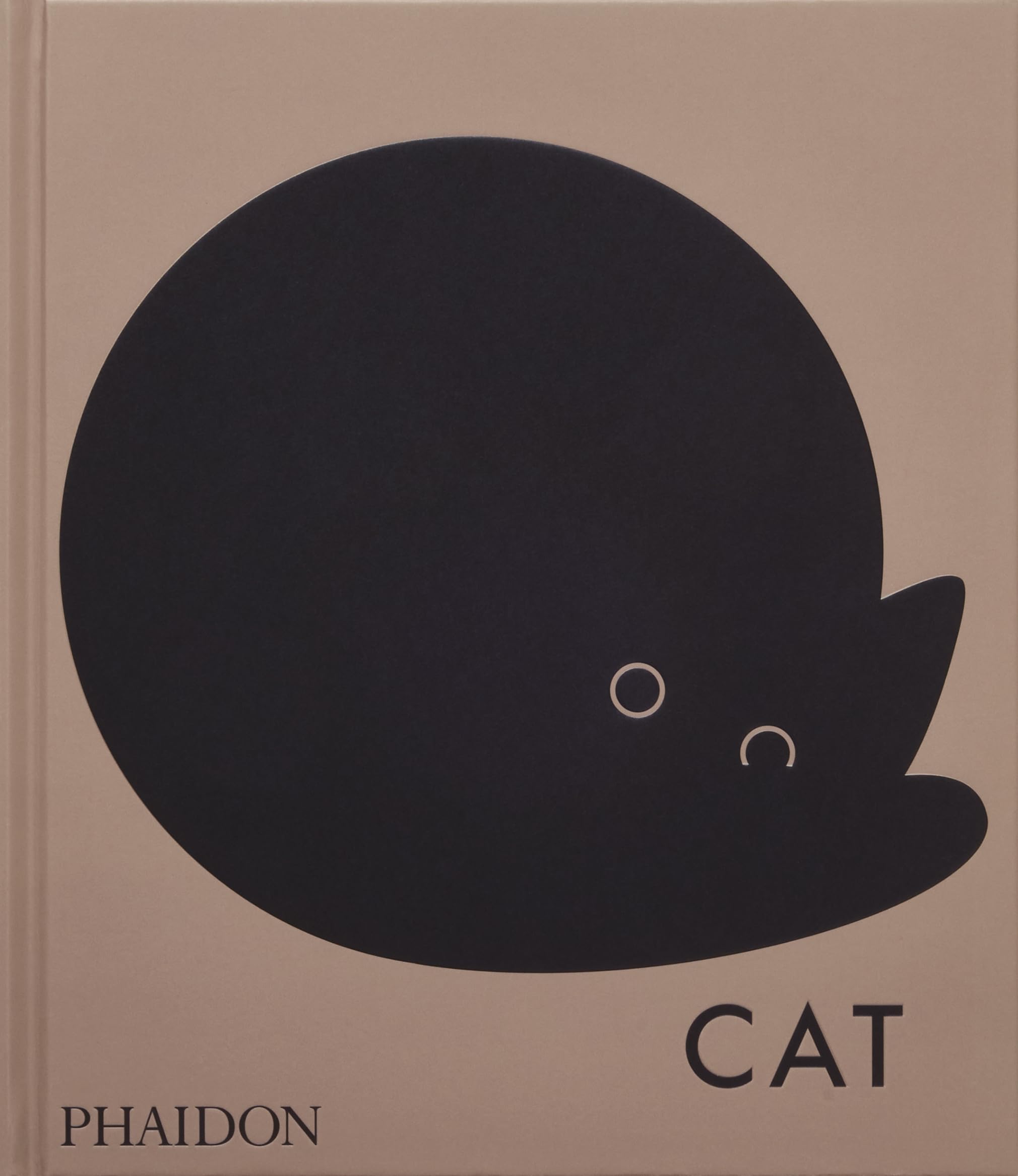
Phaidon Press Cat by Phaidon Editors - A whimsical visual survey of the house cat in art and popular cultureA whimsical visual survey of the house cat in art and popular culture, exploring humanity’s enduring connection to one of our most loved animal companions Cats have been beloved and depicted by humans for millennia. These captivating animals appeared as worship statuettes in ancient Egypt, in anthropomorphic illustrations in Victorian England, and, today, in contemporary artwork, on fashion runways, and as social media memes. Cat celebrates how our feline friends have been depicted in art, popular culture, and history across time and around the world. This vibrantly illustrated book features more than 210 full-page images artfully arranged into playful pairings. Filled with famous artworks, vintage advertisements, classic animations, high-end fashion designs, and more, the book presents a stunning array of imagery, from maneki-neko lucky cats to artists’ pets,and ancient mosaics to contemporary couture. Readers will find iconic pop-culture characters, including Puss in Boots, the Cheshire Cat, and more; renowned artists, such as Andy Warhol, Tracey Emin, Judy Chicago, and Utagawa Hiroshige; and famed creatives, including street-style photographer Jamel Shabazz and fashion designer Thom Browne. Balancing style with substance, the book includes a foreword by Hannah Shaw, also known as Kitten Lady, who declares that celebrating the cat in images empathetically connects us to this beloved animal, and an enlightening essay by curator Leïla Jarbouai, who traces humanity’s symbiotic relationship with cats through the lens of art history. Featuring an elegant and irresistible cover design depicting a curled-up black cat, this charming volume revels in the undeniable appeal of this captivating animal. Advisory panel: Yekaterina Barbash, Claire Catterall, Anja Charbonneau, Mihoko Iida, Leïla Jarbouai, Jenny Pierson, Hannah Shaw aka Kitten Lady, Anna Stothart, BriAnne Wills, and Kristiina Wilson Additional texts: Sara Bader, Yekaterina Barbash, Tim Cooke, Anita Croy, Ellen Mara De Wachter, Catherine Ingram, Leïla Jarbouai, Rebecca Morrill, Ilana Novick, Hannah Silver, Katy Sprinkel, David Trigg, and Alexandra Zagalsky21,99 £*Shipping: 2,99 £Secure redirect to the provider
-
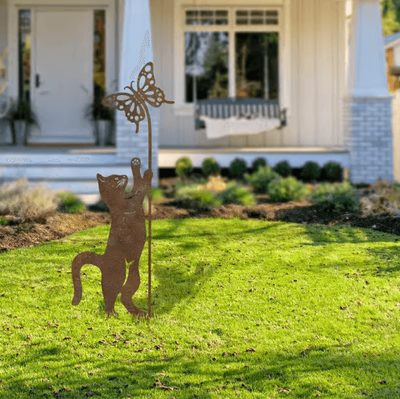
Uplift Curations Rustic Metal Cat Garden Stake With Butterfly Whimsical Outdoor Yard Art Rustic Metal Cat Garden Stake With Butterfly Whimsical Outdoor Yard ArtAdd a playful yet calming charm to your garden with a design that tells a story. This cat garden stake features a curious feline reaching toward a butterfly, creating a peaceful and whimsical scene right in your outdoor space. Crafted with a...70,00 $*Shipping: 0,00 $Secure redirect to the provider
-
What is the meaning of tradition, culture, and identity?
Tradition refers to the customs, beliefs, and practices that are passed down from generation to generation within a community or society. Culture encompasses the shared values, beliefs, and behaviors of a particular group of people, including their language, art, music, and social norms. Identity is the sense of self and belonging that is shaped by one's cultural background, traditions, and experiences. Together, tradition, culture, and identity form the foundation of a person's sense of belonging and connection to their community and heritage. **
-
What are art and culture events?
Art and culture events are gatherings or activities that showcase various forms of artistic expression, such as visual arts, music, dance, theater, literature, and more. These events provide a platform for artists to share their work with the public and engage in creative dialogue. They also offer opportunities for individuals to immerse themselves in different cultural experiences, broaden their perspectives, and appreciate the diversity of human expression. Overall, art and culture events play a vital role in enriching communities, fostering creativity, and promoting understanding and connection among people. **
-
Is the Ottoman language Arabic?
No, the Ottoman language is not Arabic. The Ottoman language, also known as Ottoman Turkish, was a Turkic language that was heavily influenced by Arabic and Persian due to the cultural and historical connections between the Ottoman Empire and the Arab and Persian worlds. However, it was a distinct language with its own grammar, vocabulary, and script. Arabic, on the other hand, is a Semitic language and is not the same as Ottoman Turkish. **
-
What is the Arabic language?
Arabic is a Semitic language that is spoken by millions of people around the world, primarily in the Middle East and North Africa. It is the official language of 22 countries and is one of the six official languages of the United Nations. Arabic is known for its rich literary tradition, with classical Arabic being the language of the Quran and Islamic texts. It is also a diverse language with many different dialects and variations across different regions. **

Is Arabic a flowery language?
Arabic is often considered a flowery language due to its rich vocabulary, poetic traditions, and intricate calligraphy. The language is known for its use of metaphors, similes, and ornate expressions, which can give it a flowery and expressive quality. Additionally, Arabic is also known for its use of formal and polite language, which can add to its perceived flowery nature. Overall, Arabic's linguistic features and cultural traditions contribute to its reputation as a flowery language. **
Does the Arabic language resemble the Dari language?
Arabic and Dari are both members of the Indo-Iranian branch of the Indo-European language family, but they belong to different subgroups. Arabic is a Semitic language, while Dari is an Iranian language. As a result, the two languages have different grammatical structures, vocabulary, and phonetics, making them distinct from each other. While there may be some loanwords or influences due to historical interactions between Arabic-speaking and Dari-speaking regions, the overall resemblance between the two languages is limited. **
Top-Angebote
Products related to Whimsical:
-
Uplift Essentials Whimsical Mushroom Moss House Ornament Whimsical Mushroom Moss House OrnamentTransform your aquatic or desktop world into a fairytale sanctuary with the Whimsical Mushroom Moss House Ornament. This intricately detailed cottage features a charming mushroomcap roof blanketed in vibrant, realistic fauxmoss, designed to bring a...59,97 $*Shipping: 0,00 $Secure redirect to the provider
-
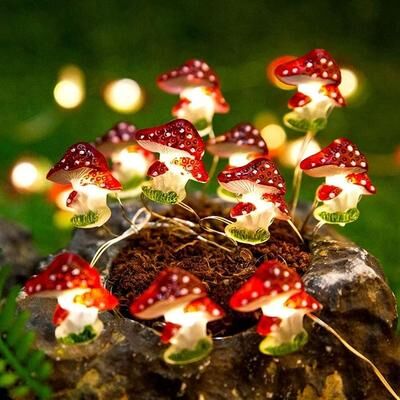
Uplift Essentials Whimsical Mushroom Forest Fairy Lights Whimsical Mushroom Forest Fairy LightsBring the enchantment of a hidden woodland into your home with these mushroom copper wire string lights. Designed to spark the imagination, these delicate lights feature charming miniature fungi that emit a soft, magical glow, perfect for creating a...34,97 $*Shipping: 0,00 $Secure redirect to the provider
-
Phaidon Press Cat by Phaidon Editors - A whimsical visual survey of the house cat in art and popular cultureA whimsical visual survey of the house cat in art and popular culture, exploring humanity’s enduring connection to one of our most loved animal companions Cats have been beloved and depicted by humans for millennia. These captivating animals appeared as worship statuettes in ancient Egypt, in anthropomorphic illustrations in Victorian England, and, today, in contemporary artwork, on fashion runways, and as social media memes. Cat celebrates how our feline friends have been depicted in art, popular culture, and history across time and around the world. This vibrantly illustrated book features more than 210 full-page images artfully arranged into playful pairings. Filled with famous artworks, vintage advertisements, classic animations, high-end fashion designs, and more, the book presents a stunning array of imagery, from maneki-neko lucky cats to artists’ pets,and ancient mosaics to contemporary couture. Readers will find iconic pop-culture characters, including Puss in Boots, the Cheshire Cat, and more; renowned artists, such as Andy Warhol, Tracey Emin, Judy Chicago, and Utagawa Hiroshige; and famed creatives, including street-style photographer Jamel Shabazz and fashion designer Thom Browne. Balancing style with substance, the book includes a foreword by Hannah Shaw, also known as Kitten Lady, who declares that celebrating the cat in images empathetically connects us to this beloved animal, and an enlightening essay by curator Leïla Jarbouai, who traces humanity’s symbiotic relationship with cats through the lens of art history. Featuring an elegant and irresistible cover design depicting a curled-up black cat, this charming volume revels in the undeniable appeal of this captivating animal. Advisory panel: Yekaterina Barbash, Claire Catterall, Anja Charbonneau, Mihoko Iida, Leïla Jarbouai, Jenny Pierson, Hannah Shaw aka Kitten Lady, Anna Stothart, BriAnne Wills, and Kristiina Wilson Additional texts: Sara Bader, Yekaterina Barbash, Tim Cooke, Anita Croy, Ellen Mara De Wachter, Catherine Ingram, Leïla Jarbouai, Rebecca Morrill, Ilana Novick, Hannah Silver, Katy Sprinkel, David Trigg, and Alexandra Zagalsky21,99 £*Shipping: 2,99 £Secure redirect to the provider
-
How can one forget culture and heritage?
One can forget culture and heritage by not actively engaging with it, by being disconnected from one's roots and community, and by prioritizing other aspects of life over preserving and celebrating one's cultural identity. This can happen through assimilation into a different culture, lack of exposure to one's own cultural traditions and practices, and a lack of interest in learning about one's heritage. Additionally, societal pressures and discrimination can also contribute to the erasure of one's culture and heritage. **
-
What is the difference between culture and tradition?
Culture refers to the beliefs, customs, arts, and social behaviors of a particular group of people, encompassing a broader range of practices and values. On the other hand, tradition specifically refers to the customs and practices that are passed down from generation to generation within a specific community or society. While culture is more dynamic and can evolve over time, traditions tend to be more static and rooted in history and heritage. **
-
What is the meaning of tradition, culture, and identity?
Tradition refers to the customs, beliefs, and practices that are passed down from generation to generation within a community or society. Culture encompasses the shared values, beliefs, and behaviors of a particular group of people, including their language, art, music, and social norms. Identity is the sense of self and belonging that is shaped by one's cultural background, traditions, and experiences. Together, tradition, culture, and identity form the foundation of a person's sense of belonging and connection to their community and heritage. **
-
What are art and culture events?
Art and culture events are gatherings or activities that showcase various forms of artistic expression, such as visual arts, music, dance, theater, literature, and more. These events provide a platform for artists to share their work with the public and engage in creative dialogue. They also offer opportunities for individuals to immerse themselves in different cultural experiences, broaden their perspectives, and appreciate the diversity of human expression. Overall, art and culture events play a vital role in enriching communities, fostering creativity, and promoting understanding and connection among people. **
Similar search terms for Whimsical
-
Uplift Curations Rustic Metal Cat Garden Stake With Butterfly Whimsical Outdoor Yard Art Rustic Metal Cat Garden Stake With Butterfly Whimsical Outdoor Yard ArtAdd a playful yet calming charm to your garden with a design that tells a story. This cat garden stake features a curious feline reaching toward a butterfly, creating a peaceful and whimsical scene right in your outdoor space. Crafted with a...70,00 $*Shipping: 0,00 $Secure redirect to the provider
-
Is the Ottoman language Arabic?
No, the Ottoman language is not Arabic. The Ottoman language, also known as Ottoman Turkish, was a Turkic language that was heavily influenced by Arabic and Persian due to the cultural and historical connections between the Ottoman Empire and the Arab and Persian worlds. However, it was a distinct language with its own grammar, vocabulary, and script. Arabic, on the other hand, is a Semitic language and is not the same as Ottoman Turkish. **
-
What is the Arabic language?
Arabic is a Semitic language that is spoken by millions of people around the world, primarily in the Middle East and North Africa. It is the official language of 22 countries and is one of the six official languages of the United Nations. Arabic is known for its rich literary tradition, with classical Arabic being the language of the Quran and Islamic texts. It is also a diverse language with many different dialects and variations across different regions. **
-
Is Arabic a flowery language?
Arabic is often considered a flowery language due to its rich vocabulary, poetic traditions, and intricate calligraphy. The language is known for its use of metaphors, similes, and ornate expressions, which can give it a flowery and expressive quality. Additionally, Arabic is also known for its use of formal and polite language, which can add to its perceived flowery nature. Overall, Arabic's linguistic features and cultural traditions contribute to its reputation as a flowery language. **
-
Does the Arabic language resemble the Dari language?
Arabic and Dari are both members of the Indo-Iranian branch of the Indo-European language family, but they belong to different subgroups. Arabic is a Semitic language, while Dari is an Iranian language. As a result, the two languages have different grammatical structures, vocabulary, and phonetics, making them distinct from each other. While there may be some loanwords or influences due to historical interactions between Arabic-speaking and Dari-speaking regions, the overall resemblance between the two languages is limited. **
* All prices are inclusive of VAT and, if applicable, plus shipping costs. The offer information is based on the details provided by the respective shop and is updated through automated processes. Real-time updates do not occur, so deviations can occur in individual cases. ** Note: Parts of this content were created by AI.