Buy حم.com ?
We are moving the project
حم.com .
Are you interested in purchasing the domain
حم.com ?
domain@kv-gmbh.de · 0541-91531010
Buy حم.com ?
What is the colloquial language in Arabic?
The colloquial language in Arabic refers to the everyday spoken language used by native speakers in different regions. It is often distinct from Modern Standard Arabic, the formal written language used in literature, media, and formal communication. Colloquial Arabic varies widely across different countries and regions, with each having its own unique dialects and expressions. It is important to note that colloquial Arabic is not standardized and can differ significantly from one region to another. **
How did colloquial language originate?
Colloquial language originated as a way for people to communicate informally and comfortably with each other. It developed over time through everyday interactions and conversations among individuals within a particular community or region. As people interacted and shared their thoughts and experiences, colloquial language evolved to reflect the unique expressions, slang, and idioms of that group. This informal language continues to change and adapt as new words and phrases are introduced and old ones fall out of use. **


Similar search terms for Colloquial
Top-Angebote
Products related to Colloquial:
-
Monika Blunder Beauty Body Language Botanical Oil 100mLA body oil for dull skin. Intense hydration: Almond, Rosehip, and Marula Oils quench dryness. Natural luminosity: Meadowfoam oil gives skin a dewy sheen. Antioxidant protection: Edelweiss Extract defends against free radicals. Soft, supple skin: Arnica maintains skin's softness and suppleness. Transform your skin with Body Language Oil —a luxurious blend of nourishing oils and potent antioxidants.54,73 £*Shipping: 7,11 £Secure redirect to the provider
-
Les Jardins LED path light Tradition Sensor Corten 90cm Tradition, dimmable, Brown / rust, Aluminium, Modern, outdoor solar lightsThe LED path light Tradition made of aluminum shows a modern cuboid shape and rust-brown corten steel finish. It can be operated autonomously thanks to equipment with solar module, rechargeable battery and motion sensor.- equipped with dimming function- operating time when fully charged: 5 h to 200 h (depending on light output)- protection class: IP66- alternatively rechargeable via USB connection- via ground spike (included) or permanently installable398,43 £*Shipping: 4,99 £Secure redirect to the provider
-
Novica Handmade Tradition Of The Heart Basalt BowlPrepare herbs, spices and sauces the way our ancestors did--with handmade stone tools. The Comonfort Group presents this heart-shaped basalt bowl, crafted by hand in a labor-intensive process.132,98 $*Shipping: 0,00 $Secure redirect to the provider
-
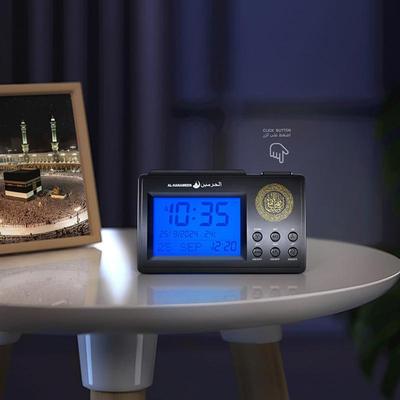
Everyday Crate Smart Azan Prayer Clock With Hijri Calendar, Temperature Display & Dual Language Alarm Smart Azan Prayer Clock With Hijri Calendar, Temperature Display & Dual Language AlarmFeel confident knowing every prayer time is right at your fingertips. This Azan clock is designed for Muslims who want a simple, reliable way to stay connected to daily prayers while keeping track of time, date, and temperature. Featuring automatic...49,97 $*Shipping: 0,00 $Secure redirect to the provider



-
Which colloquial language is it?
The colloquial language used in the text is English. It is informal and conversational in tone, reflecting the way people typically speak in everyday conversations. The use of contractions, slang, and idiomatic expressions also contribute to the colloquial nature of the language. **
-
When is colloquial language used?
Colloquial language is typically used in informal settings, such as conversations with friends or family, casual emails, or social media posts. It is characterized by its relaxed and conversational tone, often incorporating slang, contractions, and idiomatic expressions. Colloquial language helps to create a sense of familiarity and connection between speakers, making communication more engaging and relatable. **
-
Is colloquial language or formal language better?
The choice between colloquial and formal language depends on the context and audience. Colloquial language is more casual and conversational, making it suitable for informal settings and when trying to connect with a specific audience. On the other hand, formal language is appropriate for professional or academic communication, where precision and professionalism are important. Both have their own strengths, and the best choice depends on the specific communication goals and the expectations of the audience. **
-
What is meant by colloquial language?
Colloquial language refers to informal, everyday language that is used in casual conversations among friends, family, or peers. It often includes slang, regional dialects, and idiomatic expressions that may not be found in formal writing or speech. Colloquial language is characterized by its relaxed and familiar tone, making it more accessible and relatable to a specific group of people. **


How can one recognize colloquial language?
Colloquial language can be recognized by its informal and conversational tone. It often includes slang, contractions, and regional dialects that are commonly used in everyday speech. Additionally, colloquial language may lack proper grammar and punctuation, and may include idiomatic expressions or informal vocabulary. Overall, colloquial language is more relaxed and reflective of how people speak in casual settings. **
What is better: formal language or colloquial language?
The choice between formal and colloquial language depends on the context and audience. Formal language is typically used in professional settings, academic writing, and formal speeches to convey professionalism and respect. On the other hand, colloquial language is more relaxed and informal, making it suitable for casual conversations and writing. Both types of language have their own strengths and weaknesses, so it's important to consider the purpose and audience when deciding which to use. **
Top-Angebote
Products related to Colloquial:
-
RLF Home Tradition Provance Valance"Fits Windows up to 50""W. Use multiples for Wider Windows. Decorator's quality fabrics. Fully lined with Poly/Cotton Ivory lining. Use a 2-1/2"" Continental Rod, a regular 3/4"" Curtain rod, Tension rod or Decorative pole no more than 1-3/8"" Diameter."64,49 $*Shipping: 0,00 $Secure redirect to the provider
-
Monika Blunder Beauty Body Language Botanical Oil 100mLA body oil for dull skin. Intense hydration: Almond, Rosehip, and Marula Oils quench dryness. Natural luminosity: Meadowfoam oil gives skin a dewy sheen. Antioxidant protection: Edelweiss Extract defends against free radicals. Soft, supple skin: Arnica maintains skin's softness and suppleness. Transform your skin with Body Language Oil —a luxurious blend of nourishing oils and potent antioxidants.54,73 £*Shipping: 7,11 £Secure redirect to the provider
-
Les Jardins LED path light Tradition Sensor Corten 90cm Tradition, dimmable, Brown / rust, Aluminium, Modern, outdoor solar lightsThe LED path light Tradition made of aluminum shows a modern cuboid shape and rust-brown corten steel finish. It can be operated autonomously thanks to equipment with solar module, rechargeable battery and motion sensor.- equipped with dimming function- operating time when fully charged: 5 h to 200 h (depending on light output)- protection class: IP66- alternatively rechargeable via USB connection- via ground spike (included) or permanently installable398,43 £*Shipping: 4,99 £Secure redirect to the provider
-
What is the colloquial language in Arabic?
The colloquial language in Arabic refers to the everyday spoken language used by native speakers in different regions. It is often distinct from Modern Standard Arabic, the formal written language used in literature, media, and formal communication. Colloquial Arabic varies widely across different countries and regions, with each having its own unique dialects and expressions. It is important to note that colloquial Arabic is not standardized and can differ significantly from one region to another. **
-
How did colloquial language originate?
Colloquial language originated as a way for people to communicate informally and comfortably with each other. It developed over time through everyday interactions and conversations among individuals within a particular community or region. As people interacted and shared their thoughts and experiences, colloquial language evolved to reflect the unique expressions, slang, and idioms of that group. This informal language continues to change and adapt as new words and phrases are introduced and old ones fall out of use. **
-
Which colloquial language is it?
The colloquial language used in the text is English. It is informal and conversational in tone, reflecting the way people typically speak in everyday conversations. The use of contractions, slang, and idiomatic expressions also contribute to the colloquial nature of the language. **
-
When is colloquial language used?
Colloquial language is typically used in informal settings, such as conversations with friends or family, casual emails, or social media posts. It is characterized by its relaxed and conversational tone, often incorporating slang, contractions, and idiomatic expressions. Colloquial language helps to create a sense of familiarity and connection between speakers, making communication more engaging and relatable. **
Similar search terms for Colloquial
-
Novica Handmade Tradition Of The Heart Basalt BowlPrepare herbs, spices and sauces the way our ancestors did--with handmade stone tools. The Comonfort Group presents this heart-shaped basalt bowl, crafted by hand in a labor-intensive process.132,98 $*Shipping: 0,00 $Secure redirect to the provider
-
Everyday Crate Smart Azan Prayer Clock With Hijri Calendar, Temperature Display & Dual Language Alarm Smart Azan Prayer Clock With Hijri Calendar, Temperature Display & Dual Language AlarmFeel confident knowing every prayer time is right at your fingertips. This Azan clock is designed for Muslims who want a simple, reliable way to stay connected to daily prayers while keeping track of time, date, and temperature. Featuring automatic...49,97 $*Shipping: 0,00 $Secure redirect to the provider
-
KC Cubs: Educational Rug: ABC Alphabet ASL Sign Language, 5x7' PlaymatKC CUBS 5X7 ABC ALPHABET ASL SIGN LANGUAGE RUG - Introduce your child to the world of American Sign Language (ASL) in the most colorful and engaging way with the KC Cubs ASL Alphabet Educational Rug.81,99 $*Shipping: 0,00 $Secure redirect to the provider
-
KC Cubs: Educational Rug: ABC Alphabet ASL Sign Language, 3x5' PlaymatKC CUBS 3X5 ABC ALPHABET ASL SIGN LANGUAGE RUG - Introduce your child to the world of American Sign Language (ASL) in the most colorful and engaging way with the KC Cubs ASL Alphabet Educational Rug.53,99 $*Shipping: 0,00 $Secure redirect to the provider
-
Is colloquial language or formal language better?
The choice between colloquial and formal language depends on the context and audience. Colloquial language is more casual and conversational, making it suitable for informal settings and when trying to connect with a specific audience. On the other hand, formal language is appropriate for professional or academic communication, where precision and professionalism are important. Both have their own strengths, and the best choice depends on the specific communication goals and the expectations of the audience. **
-
What is meant by colloquial language?
Colloquial language refers to informal, everyday language that is used in casual conversations among friends, family, or peers. It often includes slang, regional dialects, and idiomatic expressions that may not be found in formal writing or speech. Colloquial language is characterized by its relaxed and familiar tone, making it more accessible and relatable to a specific group of people. **
-
How can one recognize colloquial language?
Colloquial language can be recognized by its informal and conversational tone. It often includes slang, contractions, and regional dialects that are commonly used in everyday speech. Additionally, colloquial language may lack proper grammar and punctuation, and may include idiomatic expressions or informal vocabulary. Overall, colloquial language is more relaxed and reflective of how people speak in casual settings. **
-
What is better: formal language or colloquial language?
The choice between formal and colloquial language depends on the context and audience. Formal language is typically used in professional settings, academic writing, and formal speeches to convey professionalism and respect. On the other hand, colloquial language is more relaxed and informal, making it suitable for casual conversations and writing. Both types of language have their own strengths and weaknesses, so it's important to consider the purpose and audience when deciding which to use. **
* All prices are inclusive of VAT and, if applicable, plus shipping costs. The offer information is based on the details provided by the respective shop and is updated through automated processes. Real-time updates do not occur, so deviations can occur in individual cases. ** Note: Parts of this content were created by AI.