Buy حم.com ?
We are moving the project
حم.com .
Are you interested in purchasing the domain
حم.com ?
domain@kv-gmbh.de · 0541-91531010
Buy حم.com ?
How can one forget culture and heritage?
One can forget culture and heritage by not actively engaging with it, by being disconnected from one's roots and community, and by prioritizing other aspects of life over preserving and celebrating one's cultural identity. This can happen through assimilation into a different culture, lack of exposure to one's own cultural traditions and practices, and a lack of interest in learning about one's heritage. Additionally, societal pressures and discrimination can also contribute to the erasure of one's culture and heritage. **
What is the difference between culture and tradition?
Culture refers to the beliefs, customs, arts, and social behaviors of a particular group of people, encompassing a broader range of practices and values. On the other hand, tradition specifically refers to the customs and practices that are passed down from generation to generation within a specific community or society. While culture is more dynamic and can evolve over time, traditions tend to be more static and rooted in history and heritage. **
Similar search terms for Kombu
Top-Angebote
Products related to Kombu:
-
KAINE Kombu Hydrating Daily Cleanser moisturising cleansing gel to strengthen the skin barrier 155 gKAINE Kombu Hydrating Daily Cleanser, 155 g, Cleansing for Women, Before you start your regular skincare routine, it is very important to prepare your skin with a thorough cleansing - without it, the following beauty care routine would not be nearly as effective. The KAINEKombu cleanser helps to remove all the impurities that have settled on the skin and in the pores throughout the day or overnight, leaving the skin perfectly clean and ready for any further skin treatments. Characteristics: washes the whole face gently and thoroughly regulates sebum production leaves skin glowing suitable for sensitive skin hydrates deeply refreshes pleasantly Ingredients: hyaluronic acid – binds large quantities of water and hydrates intensively fermented ingredients – help maintain the natural skin microbiome and pH balance, soothe, counteract irritation and strengthen the protective skin barrier ceramides – essential lipids naturally occurring in skin, are essential for the proper functioning of the protective skin barrier, hydrate and help prevent dryness, irritation, damage and wrinkles How to use: Apply in the morning and/or evening to a damp face and lather. Then rinse off.13,40 £*Shipping: 3,99 £Secure redirect to the provider
-
RLF Home Tradition Provance Valance"Fits Windows up to 50""W. Use multiples for Wider Windows. Decorator's quality fabrics. Fully lined with Poly/Cotton Ivory lining. Use a 2-1/2"" Continental Rod, a regular 3/4"" Curtain rod, Tension rod or Decorative pole no more than 1-3/8"" Diameter."64,49 $*Shipping: 0,00 $Secure redirect to the provider
-
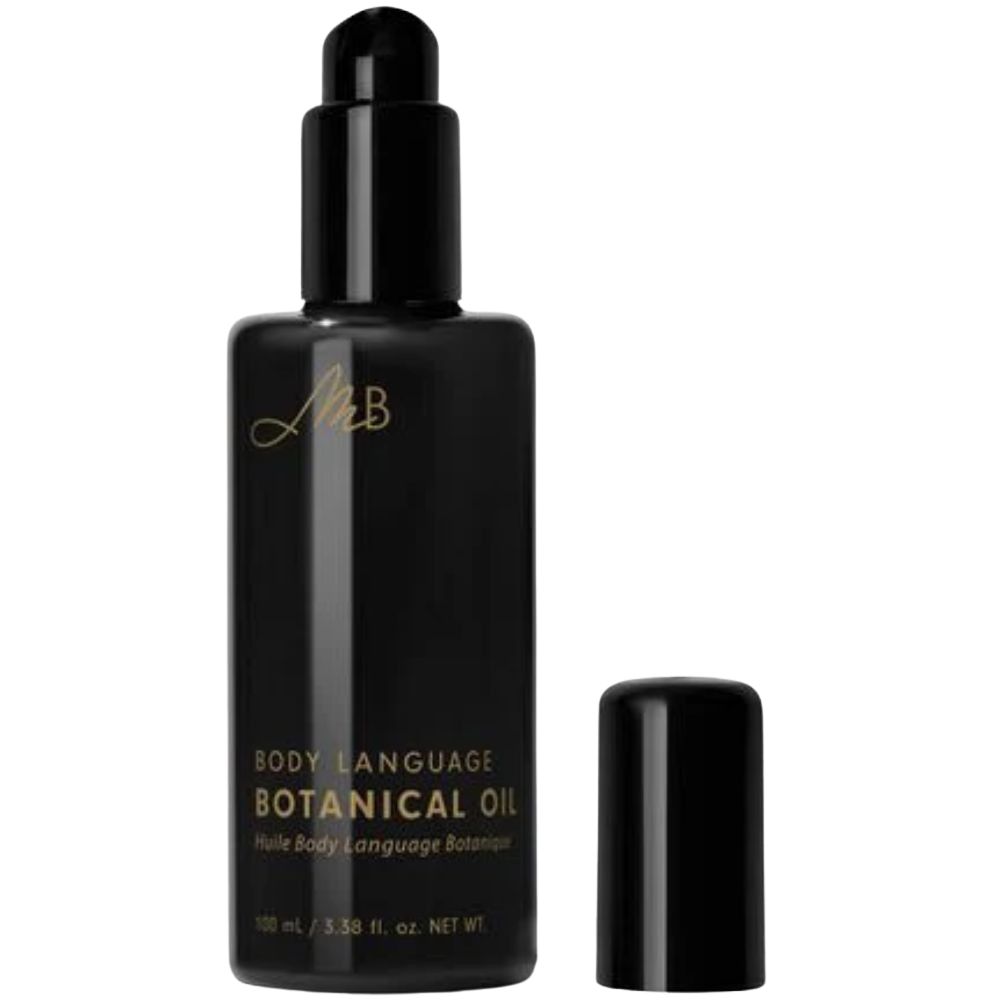
Monika Blunder Beauty Body Language Botanical Oil 100mLA body oil for dull skin. Intense hydration: Almond, Rosehip, and Marula Oils quench dryness. Natural luminosity: Meadowfoam oil gives skin a dewy sheen. Antioxidant protection: Edelweiss Extract defends against free radicals. Soft, supple skin: Arnica maintains skin's softness and suppleness. Transform your skin with Body Language Oil —a luxurious blend of nourishing oils and potent antioxidants.54,73 £*Shipping: 7,11 £Secure redirect to the provider



-
What is the meaning of tradition, culture, and identity?
Tradition refers to the customs, beliefs, and practices that are passed down from generation to generation within a community or society. Culture encompasses the shared values, beliefs, and behaviors of a particular group of people, including their language, art, music, and social norms. Identity is the sense of self and belonging that is shaped by one's cultural background, traditions, and experiences. Together, tradition, culture, and identity form the foundation of a person's sense of belonging and connection to their community and heritage. **
-
What are art and culture events?
Art and culture events are gatherings or activities that showcase various forms of artistic expression, such as visual arts, music, dance, theater, literature, and more. These events provide a platform for artists to share their work with the public and engage in creative dialogue. They also offer opportunities for individuals to immerse themselves in different cultural experiences, broaden their perspectives, and appreciate the diversity of human expression. Overall, art and culture events play a vital role in enriching communities, fostering creativity, and promoting understanding and connection among people. **
-
Is the Ottoman language Arabic?
No, the Ottoman language is not Arabic. The Ottoman language, also known as Ottoman Turkish, was a Turkic language that was heavily influenced by Arabic and Persian due to the cultural and historical connections between the Ottoman Empire and the Arab and Persian worlds. However, it was a distinct language with its own grammar, vocabulary, and script. Arabic, on the other hand, is a Semitic language and is not the same as Ottoman Turkish. **
-
What is the Arabic language?
Arabic is a Semitic language that is spoken by millions of people around the world, primarily in the Middle East and North Africa. It is the official language of 22 countries and is one of the six official languages of the United Nations. Arabic is known for its rich literary tradition, with classical Arabic being the language of the Quran and Islamic texts. It is also a diverse language with many different dialects and variations across different regions. **


Is Arabic a flowery language?
Arabic is often considered a flowery language due to its rich vocabulary, poetic traditions, and intricate calligraphy. The language is known for its use of metaphors, similes, and ornate expressions, which can give it a flowery and expressive quality. Additionally, Arabic is also known for its use of formal and polite language, which can add to its perceived flowery nature. Overall, Arabic's linguistic features and cultural traditions contribute to its reputation as a flowery language. **
Does the Arabic language resemble the Dari language?
Arabic and Dari are both members of the Indo-Iranian branch of the Indo-European language family, but they belong to different subgroups. Arabic is a Semitic language, while Dari is an Iranian language. As a result, the two languages have different grammatical structures, vocabulary, and phonetics, making them distinct from each other. While there may be some loanwords or influences due to historical interactions between Arabic-speaking and Dari-speaking regions, the overall resemblance between the two languages is limited. **
Top-Angebote
Products related to Kombu:
-
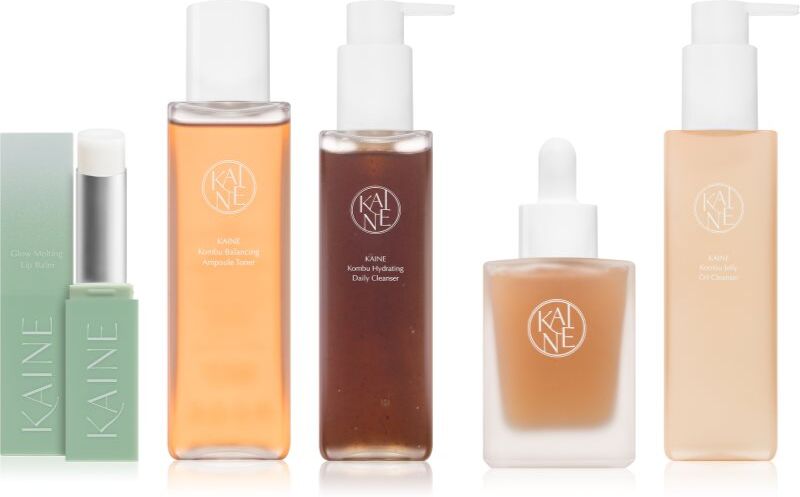
KAINE Kombu Set setKAINE Kombu Set, 1 pc, Lip Treatments for Women, Discover a practical bundle of products designed to enhance your everyday moments. KAINEKombuSet set takes the hassle out of choosing by offering a combination of popular products. Now available together in one convenient pack. The set contains: KAINE Kombu Jelly Oil Cleanser oil cleanser and makeup remover to strengthen the skin barrier 145.00 ml KAINE Kombu Hydrating Daily Cleanser moisturising cleansing gel to strengthen the skin barrier 155.00 g KAINE Kombu Balancing Ampoule Toner balancing toner to strengthen the skin barrier 150.00 ml KAINE Kombu Barrier Ampoule revitalising serum to strengthen the skin barrier 30.00 ml KAINE Glow Melting Lip Balm moisturising lip balm with regenerative effect 3.70 g How to use: Follow the instructions on the package.60,20 £*Shipping: 3,99 £Secure redirect to the provider
-
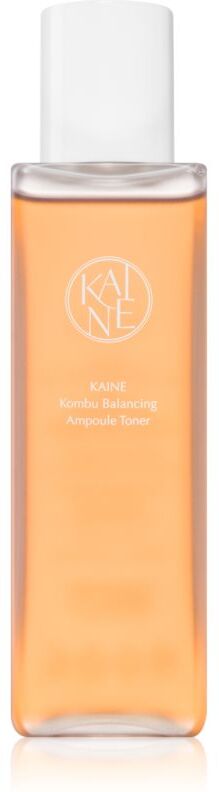
KAINE Kombu Balancing Ampoule Toner balancing toner to strengthen the skin barrier 150 mlKAINE Kombu Balancing Ampoule Toner, 150 ml, Skin Toners for Women, Something that’s just as important as the cleansing process itself is the transition between cleansing and the skincare routine that follows. The individual steps in these processes are connected in the ideal way and your entire routine is enriched by using a facial toner KAINE Kombu Balancing Ampoule Toner. It takes care of complete skin cleansing, removing makeup residue, impurities and cleansers while gently toning the skin. It leaves it not only perfectly clean and ready for any treatment that follows, but also refreshed, soothed and balanced. Characteristics: soothes and tones strengthens the skin barrier it hydrates and nourishes the skin leaves the skin soft, fresh and radiant promotes the better absorption of skincare products Ingredients: fermented ingredients – help maintain the natural skin microbiome and pH balance, soothe, counteract irritation and strengthen the protective skin barrier allantoin – soothes, hydrates and softens, promotes regeneration hyaluronic acid – binds large quantities of water and hydrates intensively dermatologically tested vegan product How to use: Put on a cotton wool pad and apply to skin using circular movements. You can also apply to the palms of your hands and lightly pat into the skin. Use every morning and/or evening.13,68 £*Shipping: 3,99 £Secure redirect to the provider
-
KAINE Kombu Hydrating Daily Cleanser moisturising cleansing gel to strengthen the skin barrier 155 gKAINE Kombu Hydrating Daily Cleanser, 155 g, Cleansing for Women, Before you start your regular skincare routine, it is very important to prepare your skin with a thorough cleansing - without it, the following beauty care routine would not be nearly as effective. The KAINEKombu cleanser helps to remove all the impurities that have settled on the skin and in the pores throughout the day or overnight, leaving the skin perfectly clean and ready for any further skin treatments. Characteristics: washes the whole face gently and thoroughly regulates sebum production leaves skin glowing suitable for sensitive skin hydrates deeply refreshes pleasantly Ingredients: hyaluronic acid – binds large quantities of water and hydrates intensively fermented ingredients – help maintain the natural skin microbiome and pH balance, soothe, counteract irritation and strengthen the protective skin barrier ceramides – essential lipids naturally occurring in skin, are essential for the proper functioning of the protective skin barrier, hydrate and help prevent dryness, irritation, damage and wrinkles How to use: Apply in the morning and/or evening to a damp face and lather. Then rinse off.13,40 £*Shipping: 3,99 £Secure redirect to the provider
-
How can one forget culture and heritage?
One can forget culture and heritage by not actively engaging with it, by being disconnected from one's roots and community, and by prioritizing other aspects of life over preserving and celebrating one's cultural identity. This can happen through assimilation into a different culture, lack of exposure to one's own cultural traditions and practices, and a lack of interest in learning about one's heritage. Additionally, societal pressures and discrimination can also contribute to the erasure of one's culture and heritage. **
-
What is the difference between culture and tradition?
Culture refers to the beliefs, customs, arts, and social behaviors of a particular group of people, encompassing a broader range of practices and values. On the other hand, tradition specifically refers to the customs and practices that are passed down from generation to generation within a specific community or society. While culture is more dynamic and can evolve over time, traditions tend to be more static and rooted in history and heritage. **
-
What is the meaning of tradition, culture, and identity?
Tradition refers to the customs, beliefs, and practices that are passed down from generation to generation within a community or society. Culture encompasses the shared values, beliefs, and behaviors of a particular group of people, including their language, art, music, and social norms. Identity is the sense of self and belonging that is shaped by one's cultural background, traditions, and experiences. Together, tradition, culture, and identity form the foundation of a person's sense of belonging and connection to their community and heritage. **
-
What are art and culture events?
Art and culture events are gatherings or activities that showcase various forms of artistic expression, such as visual arts, music, dance, theater, literature, and more. These events provide a platform for artists to share their work with the public and engage in creative dialogue. They also offer opportunities for individuals to immerse themselves in different cultural experiences, broaden their perspectives, and appreciate the diversity of human expression. Overall, art and culture events play a vital role in enriching communities, fostering creativity, and promoting understanding and connection among people. **
Similar search terms for Kombu
-
RLF Home Tradition Provance Valance"Fits Windows up to 50""W. Use multiples for Wider Windows. Decorator's quality fabrics. Fully lined with Poly/Cotton Ivory lining. Use a 2-1/2"" Continental Rod, a regular 3/4"" Curtain rod, Tension rod or Decorative pole no more than 1-3/8"" Diameter."64,49 $*Shipping: 0,00 $Secure redirect to the provider
-
Monika Blunder Beauty Body Language Botanical Oil 100mLA body oil for dull skin. Intense hydration: Almond, Rosehip, and Marula Oils quench dryness. Natural luminosity: Meadowfoam oil gives skin a dewy sheen. Antioxidant protection: Edelweiss Extract defends against free radicals. Soft, supple skin: Arnica maintains skin's softness and suppleness. Transform your skin with Body Language Oil —a luxurious blend of nourishing oils and potent antioxidants.54,73 £*Shipping: 7,11 £Secure redirect to the provider
-
Les Jardins LED path light Tradition Sensor Corten 90cm Tradition, dimmable, Brown / rust, Aluminium, Modern, outdoor solar lightsThe LED path light Tradition made of aluminum shows a modern cuboid shape and rust-brown corten steel finish. It can be operated autonomously thanks to equipment with solar module, rechargeable battery and motion sensor.- equipped with dimming function- operating time when fully charged: 5 h to 200 h (depending on light output)- protection class: IP66- alternatively rechargeable via USB connection- via ground spike (included) or permanently installable398,43 £*Shipping: 4,99 £Secure redirect to the provider
-
Novica Handmade Tradition Of The Heart Basalt BowlPrepare herbs, spices and sauces the way our ancestors did--with handmade stone tools. The Comonfort Group presents this heart-shaped basalt bowl, crafted by hand in a labor-intensive process.132,98 $*Shipping: 0,00 $Secure redirect to the provider
-
Is the Ottoman language Arabic?
No, the Ottoman language is not Arabic. The Ottoman language, also known as Ottoman Turkish, was a Turkic language that was heavily influenced by Arabic and Persian due to the cultural and historical connections between the Ottoman Empire and the Arab and Persian worlds. However, it was a distinct language with its own grammar, vocabulary, and script. Arabic, on the other hand, is a Semitic language and is not the same as Ottoman Turkish. **
-
What is the Arabic language?
Arabic is a Semitic language that is spoken by millions of people around the world, primarily in the Middle East and North Africa. It is the official language of 22 countries and is one of the six official languages of the United Nations. Arabic is known for its rich literary tradition, with classical Arabic being the language of the Quran and Islamic texts. It is also a diverse language with many different dialects and variations across different regions. **
-
Is Arabic a flowery language?
Arabic is often considered a flowery language due to its rich vocabulary, poetic traditions, and intricate calligraphy. The language is known for its use of metaphors, similes, and ornate expressions, which can give it a flowery and expressive quality. Additionally, Arabic is also known for its use of formal and polite language, which can add to its perceived flowery nature. Overall, Arabic's linguistic features and cultural traditions contribute to its reputation as a flowery language. **
-
Does the Arabic language resemble the Dari language?
Arabic and Dari are both members of the Indo-Iranian branch of the Indo-European language family, but they belong to different subgroups. Arabic is a Semitic language, while Dari is an Iranian language. As a result, the two languages have different grammatical structures, vocabulary, and phonetics, making them distinct from each other. While there may be some loanwords or influences due to historical interactions between Arabic-speaking and Dari-speaking regions, the overall resemblance between the two languages is limited. **
* All prices are inclusive of VAT and, if applicable, plus shipping costs. The offer information is based on the details provided by the respective shop and is updated through automated processes. Real-time updates do not occur, so deviations can occur in individual cases. ** Note: Parts of this content were created by AI.